| |
Participation in Trainings Organized in other Institutions
23.07.2025
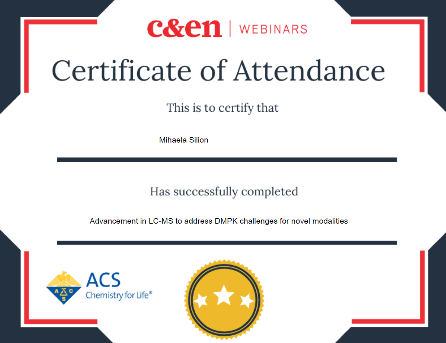
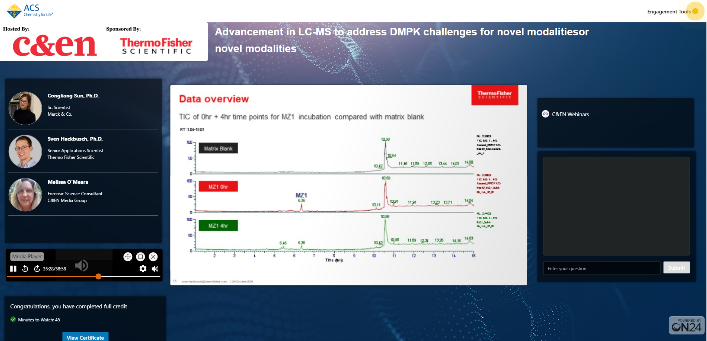
Online participation in the C&EN webinar "Advancement in LC-MS to address DMPK challenges for novel modalities,"
organized by Thermo Fisher Scientific
|
Participant: Dr. Mihaela Silion
Online participation in the C&EN webinar "Advancement in LC-MS to address DMPK challenges for novel modalities," organized by Thermo Fisher Scientific, 23.07.2025.
Speakers: Congliang Sun, Ph.D. - Sr. Scientist Merck & Co; Sven Hackbusch, Ph.D. - Senior Applications Scientist Thermo Fisher Scientific; Melissa O'Meara - Forensic Science Consultant C&EN Media Group
In this webinar, strategic approaches for the confident detection and structural elucidation of complex drug metabolites using the Orbitrap Ascend Tribrid MS were presented. The discussion covered various data, including two model PROTAC drug compounds and several examples of using MSⁿ data to identify transformation sites.
|
07-22.07.2025
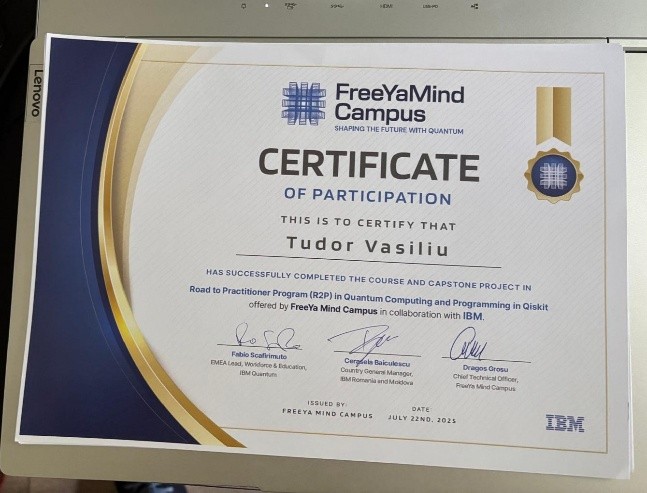
Qiskit Global Summer School 2025: The Past, Present, and Future of Quantum Computing
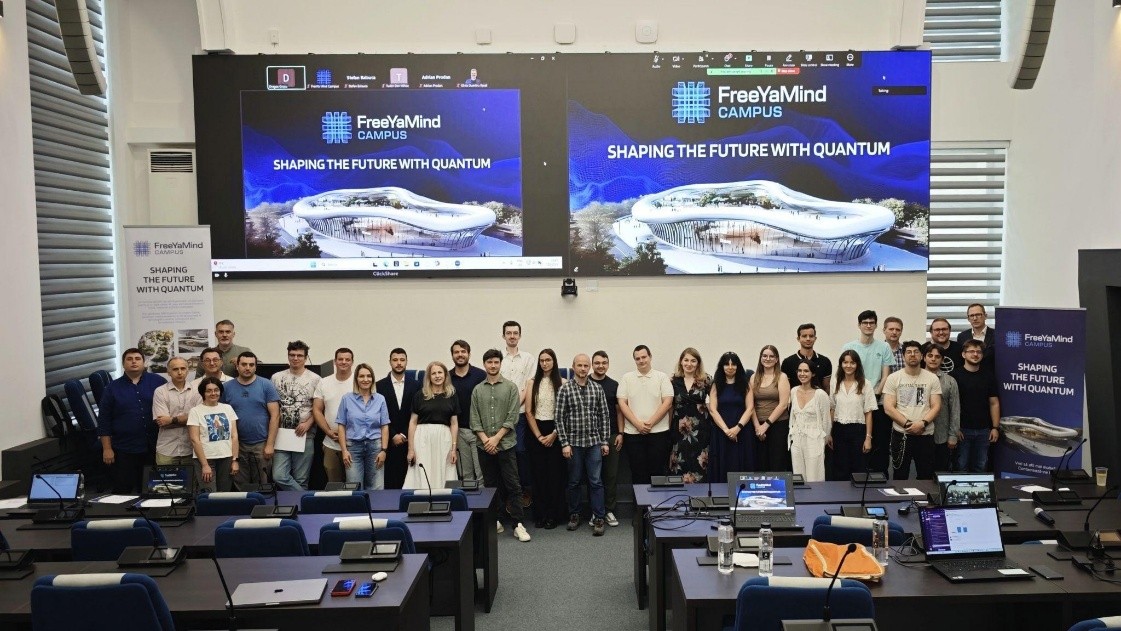
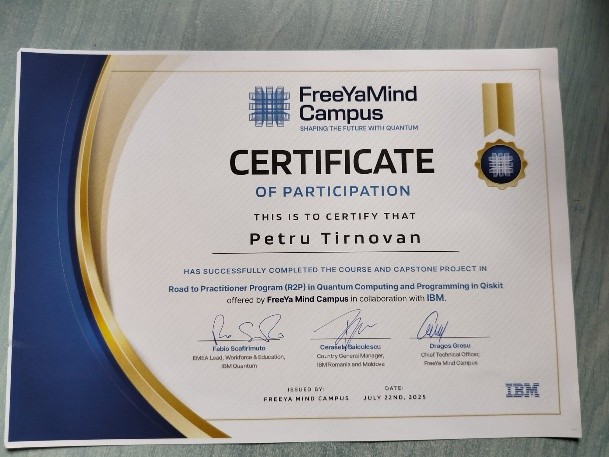
Participants: Dr. Tudor Vasiliu, Dr. Dragos Isac and PhD Student Petru Tirnovan
The three BioMat4CAST Team members attended the Road to Practitioner school hosted by Freeya Mind Campus, developed with IBM to build practitioner level skills in quantum computing and adjacent AI. Trainers Marcel Pfaffhauser and Fabio Scafirimuto emphasized conceptual rigor, reproducible code, and hardware aware execution, with the program advancing from foundations to an applied capstone.
Instruction was organized into six modules: (1) Introduction to Quantum Computing; (2) Introduction to Qiskit; (3) Quantum Machine Learning; (4) Quantum Algorithms; (5) Transpilation and Error Mitigation; and (6) Sample based Quantum Diagonalization (SQD). The opening blocks established the circuit model—superposition, entanglement, measurement, Bloch sphere intuition, and the effects of noise and decoherence—and then translated these concepts into Qiskit workflows for circuit construction and visualization, simulator and backend selection, job management, and the use of clear experiment metadata to ensure reproducibility.
The Quantum Machine Learning module covered data encoding strategies (angle and amplitude), parametrized circuits, loss functions, and optimization, highlighting practical challenges such as barren plateaus and shot noise. The algorithms module reviewed amplitude amplification and phase estimation families alongside VQE/QAOA, framed by problem mapping, resource estimation, and comparison with classical baselines. Transpilation and mitigation prepared workloads for hardware: coupling maps; layout and routing; pass managers and optimization levels; readout calibration; zero noise extrapolation; a conceptual overview of probabilistic error cancellation; and dynamical decoupling, together with sensible circuit depth choices and shot budgeting.
The final SQD module introduced a sampling based route to spectral information—recovering eigenvalues and projectors without a full mapping. The team concluded the program with a capstone in which SQD was applied to urocanic acid: defining the target Hamiltonian, designing the sampling scheme, implementing and executing circuits, and analyzing measured spectra to extract chemically meaningful features. The capstone project that were presented at the end of the training demonstrated the complete skill chain promoted by the school: precise problem framing, principled circuit design, hardware aware transpilation and mitigation, and clear, reproducible reporting suitable for scientific dissemination.
|
|
|
13.06.2025
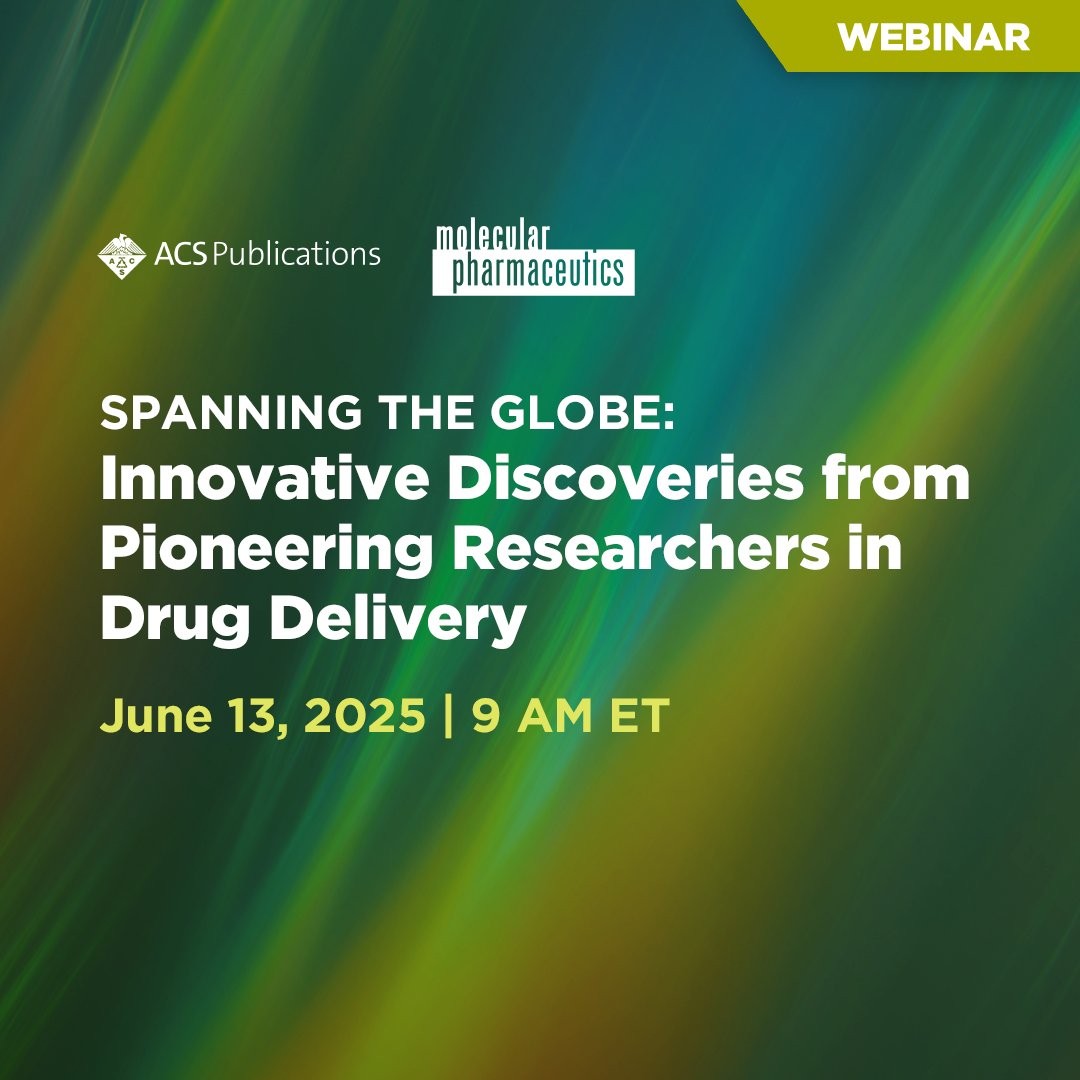
Online webinar “Spanning the Globe: Innovative Discoveries from Pioneering Researchers in Drug Delivery”
organized by ACS Publications.
|
Dr. Sergio Martin Saldaña, Ms. Thu A Hoang, & Dr. John Gleeson, organised the ‘Spanning the Globe: Innovative Discoveries from Pioneering Researchers in Drug Delivery’. Participant: Dr. Mihela Silion
|
|
12.06.2025
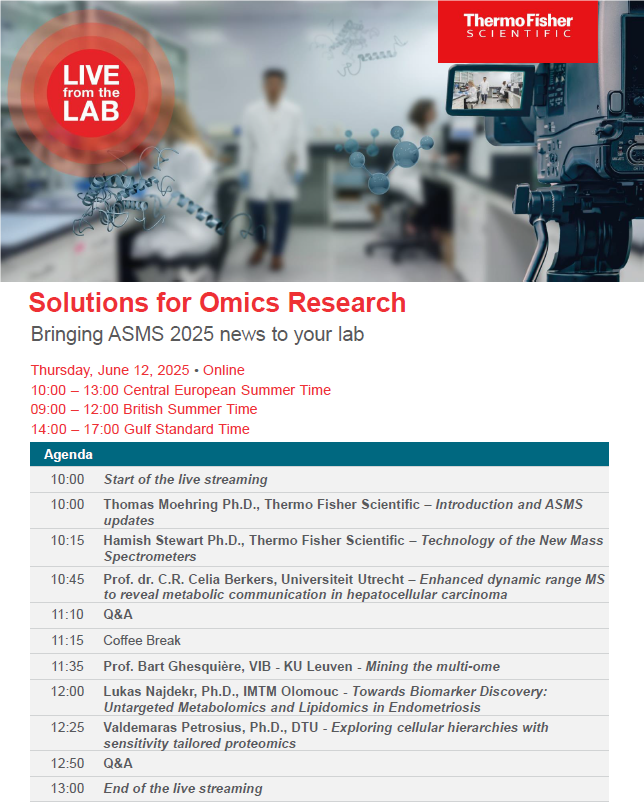
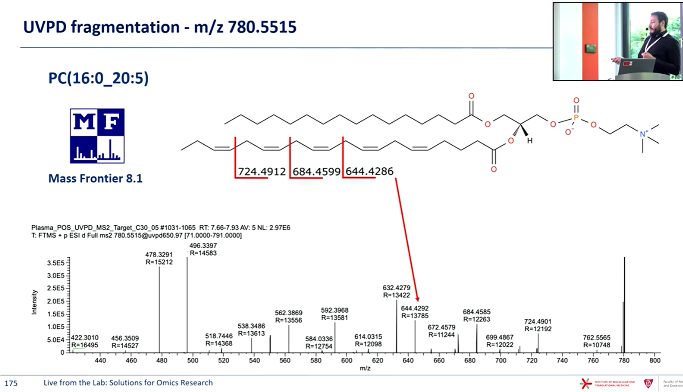
Online participation hybrid event Bringing ASMS News Directly to Your Lab, featuring Solutions for Omics Research, a live Lab Livestream organized by Thermo Fisher Scientific.
Participant: Dr. Mihaela Silion
Online participation in the hybrid event Bringing ASMS News Directly to Your Lab, featuring Solutions for Omics Research, a live Lab Livestream organized by Thermo Fisher Scientific, 12.06.2025. This event, dedicated to mass spectrometry, highlighted the latest advancements in mass spectrometry technology, as presented at the prestigious American Society for Mass Spectrometry conference.
Renowned researchers in the field presented their innovative work and shared insights on how Thermo Scientific’s technology can be applied across various omics disciplines, including proteomics, immunopeptidomics, metabolomics, and lipidomics.
Speakers:
Prof. dr. C.R. Celia Berkers, Universiteit Utrecht - Enhanced dynamic range MS to reveal metabolic communication in hepatocellular carcinoma
Prof. Bart Ghesquière, VIB - KU Leuven - Mining the multi-ome
Lukas Najdekr, Ph.D., IMTM Olomouc - Towards Biomarker Discovery: Untargeted Metabolomics and Lipidomics in Endometriosis
Valdemaras Petrosius, Ph.D., DTU - Exploring cellular hierarchies with sensitivity tailored proteomics
|
08-09.05.2025
COSY COST ACTION Summer School:
“Exploring Confined Environments with Polymers, Ionic Liquids,and Deep Eutectic Solvents:
Predicting Emerging Applications through Modeling and Advanced Experiments”
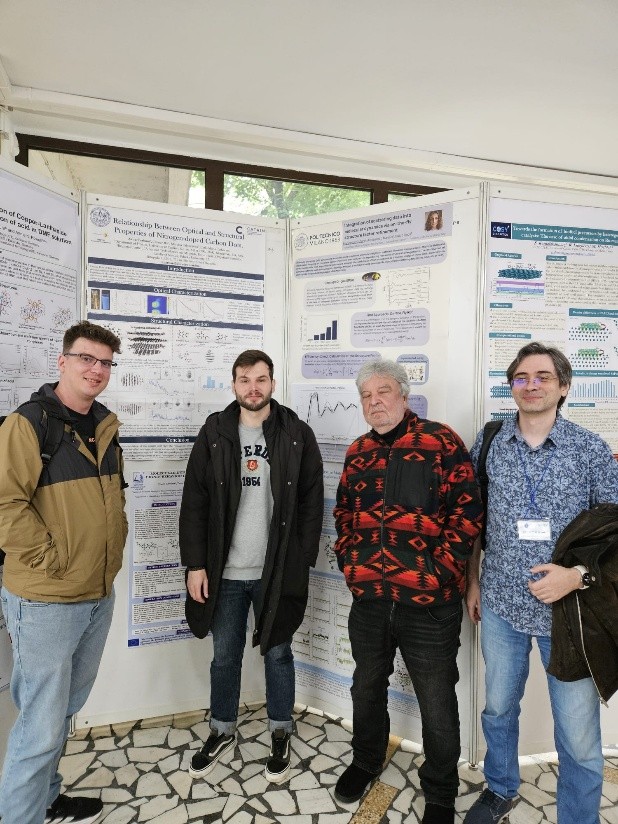
Hosted by the “Gheorghe Asachi” Technical University of Iași, Romania, this training school was designed for students and early-career researchers entering the field of ionic liquids (ILs) and deep eutectic solvents (DESs), with a focus on their behavior as confined solvents. It also welcomes experienced researchers interested in applying advanced molecular modeling techniques to study ILs and DESs at surfaces and in restricted environments.
The program offers a comprehensive introduction to both fundamental and advanced aspects of polymer, IL, and DES research, integrating simulation with experimental perspectives. Through lectures by leading experts, hands-on tutorials, exercises, computer simulations, and interactive discussions, participants will gain both theoretical knowledge and practical skills.
Program highlights include:
• Courses ranging from introductory to advanced, covering theory, simulation, and experimentation.
• Practical tutorials and simulations to strengthen applied skills.
• Seminars by international experts on confined complex liquids and their applications.
• A poster session for participants to showcase their research and receive feedback.
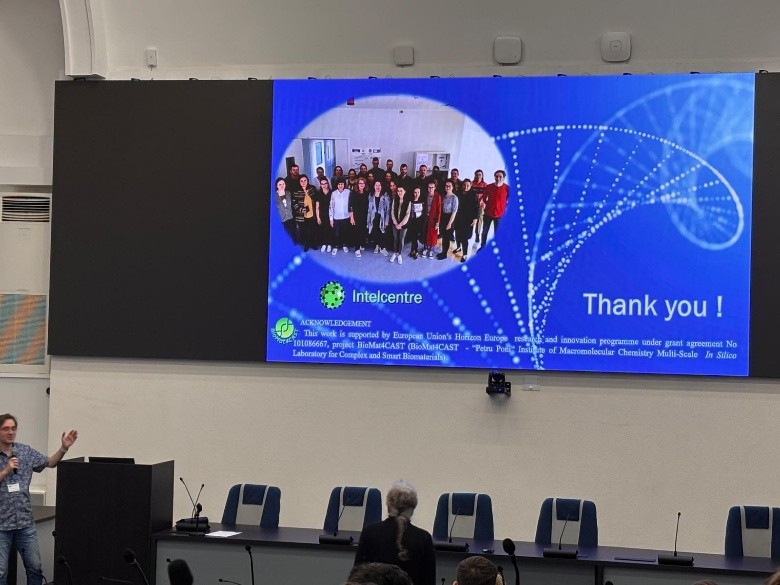
All the BioMat4CAST Team participated in the training school and Prof Aatto Laksonen and Dr Mariana Pinteala were part of the organizing committee.
Part of the team was also involved as trainers or poster providers of the Summer School
Trainers from the BioMat4CAST Team:
1. Prof. Aatto Laaksonen BioMat4CAST ERA Chair: Lecture: Introduction to ionic liquids
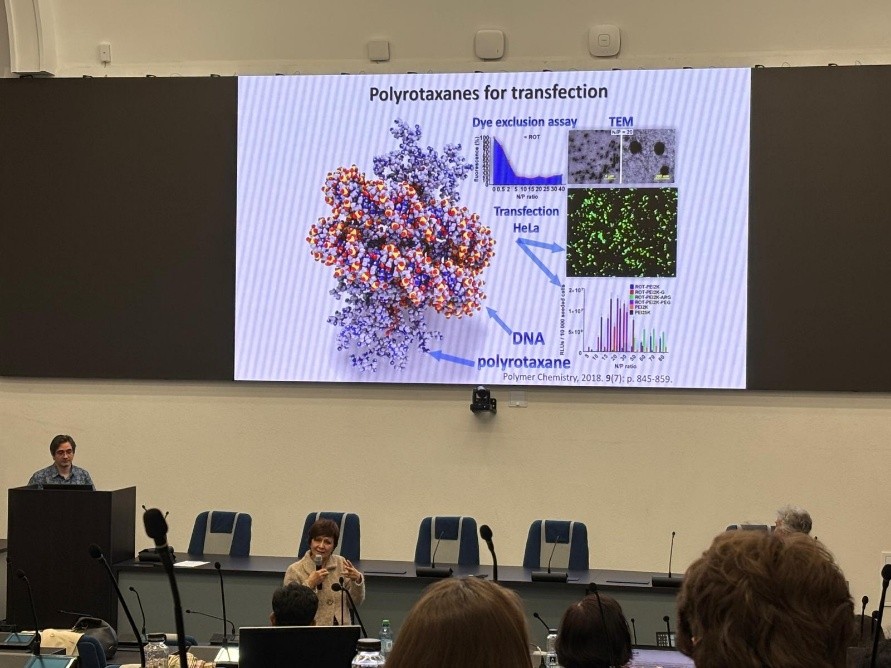
2. Dr. Dragoș Peptanariu and Dr. Mariana Pinteala: Lecture: Harnessing Polymer Science for Effective Gene Therapy Solutions
3. Dr. Tudor Vasiliu:Practical training: Ionic liquids simulations
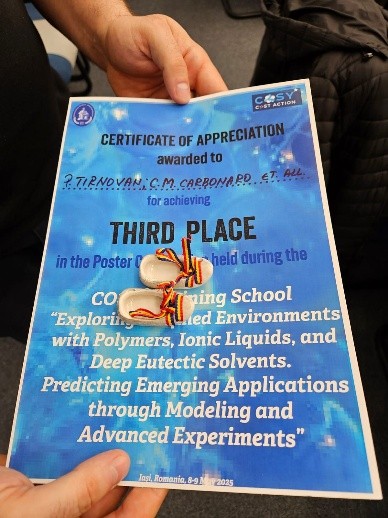
Poster Participations:
1. Simulating molecular systems with peculiar fluorescence. A case study of lysine; Autori: Petru Tirnovan, Carlo Maria Carbonaro, Leon de Villiers Engelbrecht, Aatto Laaksonen, Teodora Rusu, Mariana Pinteala, Francesca Mocci – awarded third place
2. Evaluating Bis-Acridine Orange Dyes for DNA Detection via Umbrella Sampling and qPCR Analysis; Autori: Razvan Puf, Tudor Vasiliu, Aatto Laaksonen, Francesca Mocci, Olesia G. Kulyk
3. Molecular Dynamics Investigation of Lignin Behavior in Deep Eutectic Solvents; Authors: Narcis Cibotariu, Tudor Vasiliu, Francesca Mocci, Aatto Laaksonen
|
09.04.2025
One-line participation to Thermo Fisher Scientific webinar
"LC method development: Essential tips for increased productivity"
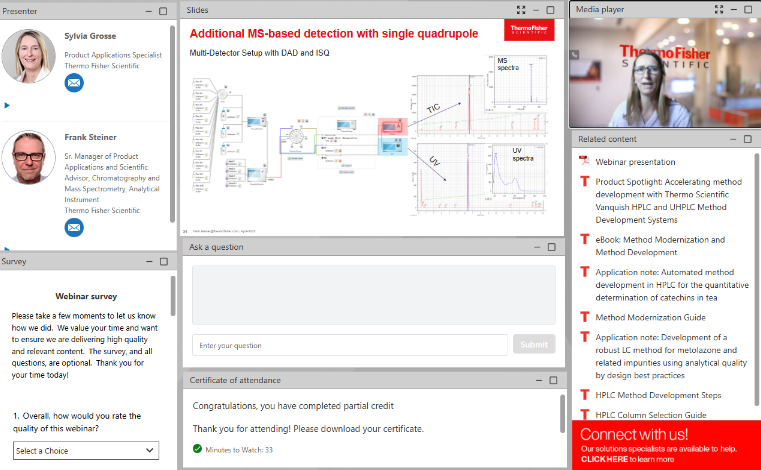
Dr. Mihaela Silion participated in the online webinar “LC Method Development: Essential Tips for Increased Productivity,” organized by Thermo Fisher Scientific. The seminar provided in-depth insights into modern liquid chromatography techniques, covering method development strategies, troubleshooting tips, and approaches to improve analytical efficiency and productivity in the laboratory. Participants also explored practical examples and case studies demonstrating how to optimize LC workflows for reliable and reproducible results.
Speakers:
Frank Steiner - Senior Manager of Product Applications and Scientific Advisor, Chromatography and Mass Spectrometry, Analytical Instrument Thermo Fisher Scientific;
Sylvia Grosse - Product Applications Specialist Thermo Fisher Scientific;
During the webinar, technical resources were presented that offered solutions for improving throughput by optimizing existing HPLC-MS methods and efficiently developing new ones. The discussion included various topics and data, such as strategies for implementing customized automation solutions and the application of a chromatographic column selection tool.
|
27.02.2025
FreeYa Mind Campus Qiskit 101 Workshop
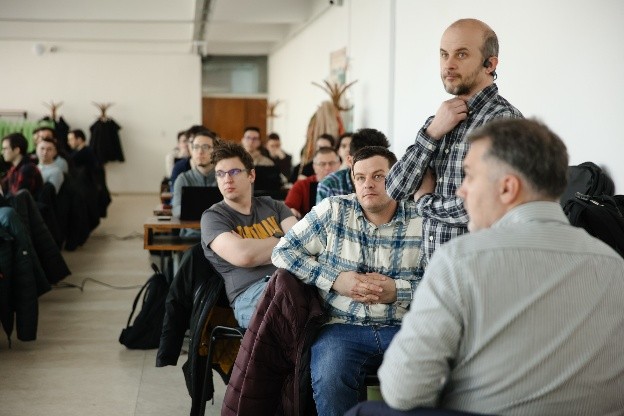
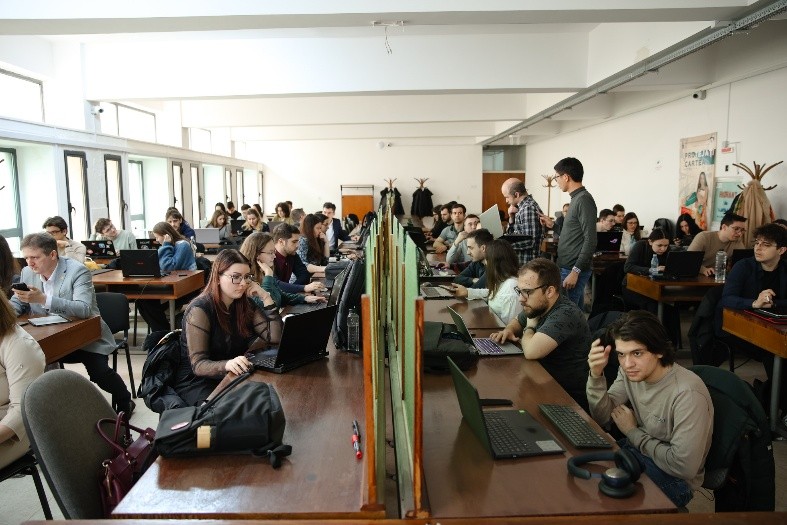
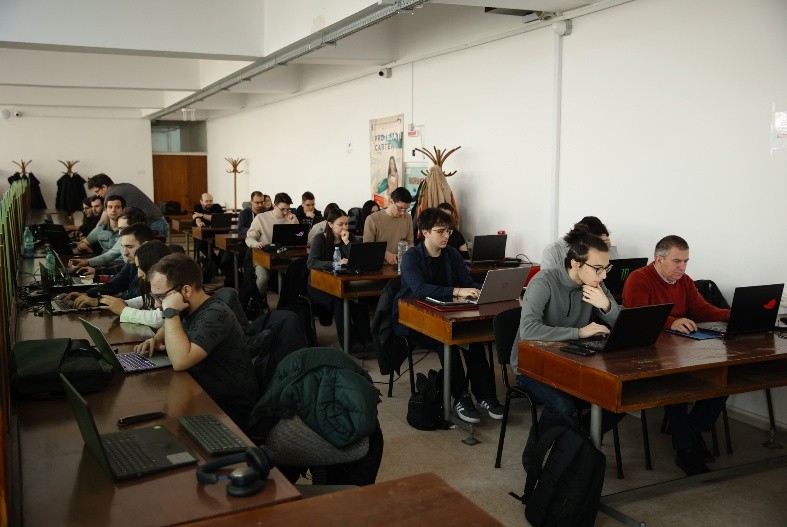
Participants from the BioMat4CAST Team: Dr. Tudor Vasiliu, Dr. Dragos Isac, Phd students: Razvan Puf, Narcis Cibotariu, Petru Tirnovan.
FreeYa Mind Campus is designed specifically to host modern educational facilities and research labs centered on the quantic IBM technology. cutting-edge multi-disciplinary science campus, anchored by IBM Quantum and AI technologies, fosters innovation across physics, AI, math, medicine, drugs, chemical compounds and materials science. Students and researchers collaborate in adynamic, future-driven environment, solving real-world challenges through quantum computing. The exclusive campus is designed toinspire breakthroughs, supporting early-stage companies in pushing the boundaries of technology, science, and industry transform.
The training was performed by several key computation exprrts :
- Dr. Voica Radescu IBM QIC | EMEA Lead and Manager
- Dr. Junye Huang IBM EMEA Workforce and Education Advocacy Global Lead for coding challenges
- Dr. Vishal Bajpe IBM Quantum Algorithm Engineer
The Agenda of the event included: Quantum Computing at IBM; Hands-on Introduction to Quantum Computing using Qiskit; Quantum Use Cases: Optimization; Quantum Use Cases: Machine Learning; Quantum Use Cases: Chemistry
|
04.12.2024
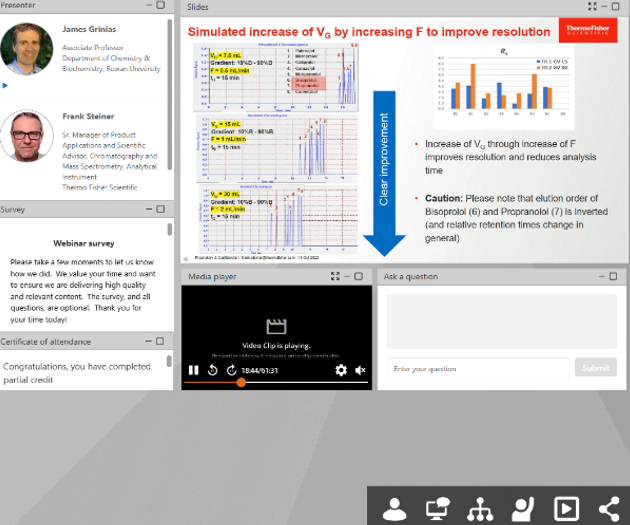
On-line webinar "The real impact of HPLC and column parameters"
presented by James Grinias (University of Rowan) and Frank Steiner (Thermo Scientific)
|
Participants: Dr. Mihaela Silion
Participation to online webinar "The real impact of HPLC and column parameters" organized by Thermo Fisher Scientific, 04.12.2024. In this webinar, strategic approaches for the development, optimization, and transfer of legacy and modern HPLC methods utilizing gradient elution were presented. The discussion covered various topics and data, including effective strategies for modifying gradient methods and adapting to evolving regulations for method transfer.
It was also discussed how to use the right tools to reduce the impact of method transfer on HPLC platforms, along with scalable parameters for pharmacopeia method modernization, as well as tips and tricks for method development and transfer.
Speakers:
James Grinias, Associate Professor Department of Chemistry & Biochemistry, Rowan University;
Frank Steiner, Sr. Manager of Product Applications and Scientific Advisor, Chromatography and Mass Spectrometry, Analytical Instrument Thermo Fisher Scientific
More info:
https://event.on24.com/wcc/r/4755925/B62CB7E9E601C6DFD5FBD34A35E28304
|
24.06.2024
MACCS1 : 1st Italian Chinese Swedish workshop “Modeling and Characterization of Complex Systems”
Cagliari, Italy
Participants: Prof. Aatto Laaksonern, PhD student Narcis Cibotariu
The MACCS1 conference was hosted by the University of Cagliari on and gathered scientists from Italian, Swedish and Chinese educational institutions aiming to share knowledge on the understanding the behaviour of complex systems in materials science, biotechnology and environmental chemistry through experiments combined with multi-scale modeling.
The event consisted of 16 oral presentations, each 20 minutes in duration. Among the most interesting talks was that of Prof. Xiaoyan Ji, who presented the models developed by her group for the thermodynamic properties of ionic liquids employing theories such as statistical associating fluids theory (SAFT) and machine learning (ML) to provide accuracy and predictive power to such models. Prof. Xiaohua Lu pointed out in his presentation the transition to green electricity, essential for carbon neutrality and the significant challenges in industrial processes, and Prof Aatto Laaksonen explained how the water molecules come into play to explain muscle contraction. Other exciting presentations were those of Dr. Leon De Villiers Engelbrecht on the properties of a type III eutectic solvent named ethaline in mixtures with water and methanol, and that of Dr. Cristina Carucci on the use of lipid nanoparticles as drug delivery systems. I also enjoyed Prof. Feng Lu's presentation, who spoke about the Chinese education system, taking Nanjing Tech University as a case study. Finally, the MACCS1 conference turned out to be a fruitful event for sharing knowledge and further promoting interdisciplinarity – a good opportunity for becoming one of the contributors and get involved in the development of science. Prof Aatto Laaksonen presented a lecture: “On the role of restrained water in biology – muscle contraction as example”
More info:
https://convegni.unica.it/maccs1/
|
18.06.2024
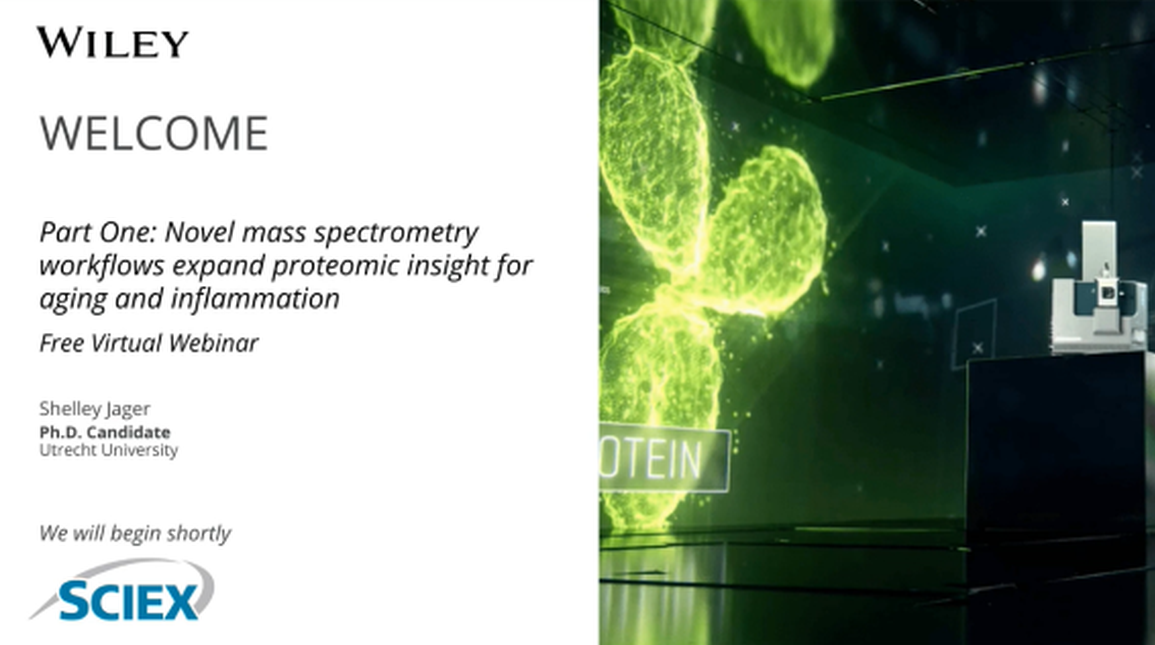
On-line Wiley webinar Part One: Novel mass spectrometry workflows expand proteomic insight for aging and inflammation (Sciex)
Participant: Dr. Mihaela Silion
In this webinar, we learned how mass spectrometry is used to study aging and inflammation. First, information was presented about analysing aging signatures, fibrosis, and cellular senescence in various tissues (breast, muscle, lung, and spinal cord) using Zeno SWATH DIA for detailed proteome coverage and biomarker discovery. We also explored new fragmentation methods for optimal coverage of peptides and glycans to better understand the molecular pathways involved in inflammation
Speakers:
o Birgit Schilling, Professor, Director of the Mass Spectrometry Technology Center Buck Institute for Research on Aging
o Shelley Jager, Ph.D. Candidate Utrecht University
|
13.06.2024
Online meeting: The eSSENCE-EMMC Meeting "Multiscale modelling of materials and molecules 2024
Participant: PhD Student Narcis Cibotariu
This eSSENCE-EMMC meeting have feature two excellent speakers on the topic of multiscale modelling, one focussing on the "smaller entities", one on the "larger entities" along the multiscale ladder.
o Professor James Kermode (School of Engineering, The University of Warwick, UK): "Modelling at the Atomistic and Electronic Structure Scales − enhanced by Machine Learning"
o Professor Wolfgang Wenzel (Institute of Nanotechnology, Karlsruhe Institute of Technology, DE): "Virtual materials design beyond the Atomic Scales"
The following topics have been integrated into the lectures: Efficient surrogates for electronic structure models; Are there already universal force-fields ("foundation models") that can describe everything?; The importance of robust uncertainty estimates; From atomisticto continuum via kinetic Monte Carlo; Do we/people have realistic expectations of what multiscale modelling can achieve?; Fundamental aspects and industrially relevant applications.; Physics-based versus data-driven modelling
|
18-19.04.2024
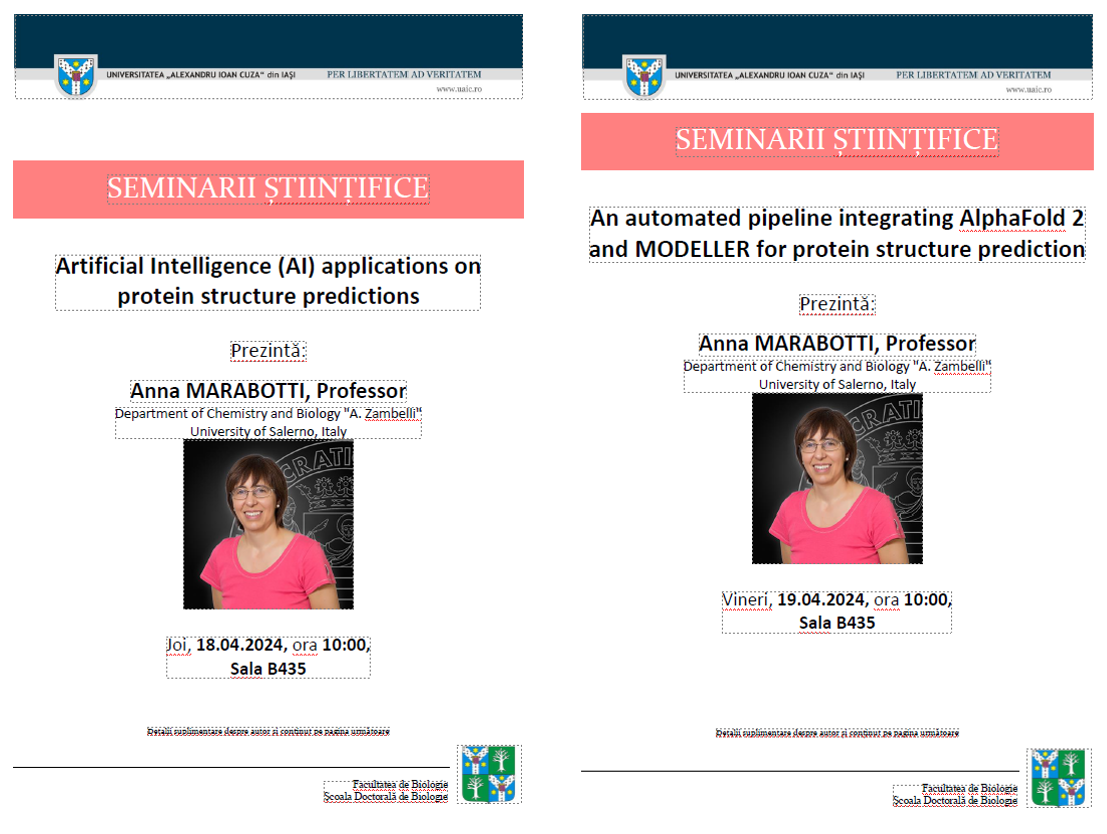
Artificial Intelligence (AI) Applications on Protein Structure Predictions
An Automated Pipeline Integrating AlphaFold2 and MODELLER for Protein Structure Prediction
UAIC: Anna MARABOTTI, Professor Department of Chemistry and Biology "A. Zambelli" University of Salerno, Italy
|
Participants: Dr. Tudor Vasiliu, Dr. Dragos Isac, Dr. Andrei Neamtu, Dr. Dragos Peptanariu, Razvan Puf, Narcs Cibotariu
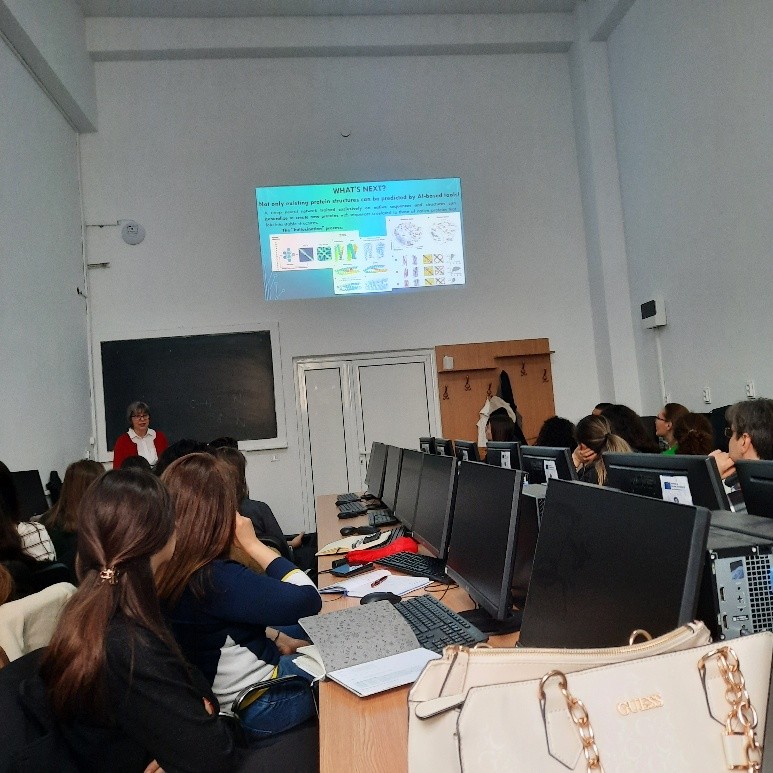
In April 2024, part of the BioMat4CAST team attended a focused two-day training series dedicated to the latest advances in artificial intelligence applied to protein structure prediction presented by Prof. Anna MARABOTTI, "A. Zambelli" University of Salerno, Italy.
On April 18, the session “Artificial Intelligence (AI) Applications on Protein Structure Predictions” provided an overview of how state-of-the-art AI algorithms are transforming the way researchers approach biomolecular modelling. The presentation highlighted the revolutionary impact of deep learning methods, which now allow scientists to achieve unprecedented accuracy in predicting complex protein structures, thereby accelerating biomedical research and drug discovery.
On April 19, the training continued with a more technical perspective through the session “An Automated Pipeline Integrating AlphaFold2 and MODELLER for Protein Structure Prediction.” This presentation showcased how combining AlphaFold2, a groundbreaking AI tool, with MODELLER, a powerful computational platform, can create efficient, automated workflows for generating and refining protein models. Such integrated approaches open the way to scalable, reproducible, and more reliable predictions, facilitating both fundamental research and applied projects in structural biology.
Together, the two sessions equipped the BioMat4CAST team with both conceptual understanding and practical insights into the transformative role of AI in structural biochemistry, reinforcing the project’s commitment to adopting cutting-edge computational methodologies.
|
28.03.2024
Virtual Seminar Advanced Spectrometry Techniques: Polymer Analysis and MALDI-TOF
- Advanced Spectrometry Techniques: Polymer Analysis and MALDI-TOF -
- Effective Analysis of Polymers Vibrational Spectroscopy, and MALDI-TOF Spectrometry -
|
Mass spectrometry (MS) has emerged as an indispensable tool for polymer analysis, facilitating the study of various aspects including polymer structure, composition, end-groups, additives, molecular weight distribution, and degree of polymerization. Its unparalleled sensitivity enables the detection and identification of minor polymer components, synthesis by-products, low-level impurities, and decomposition products. However, traditional MS analysis often relies on coupling with chromatographic techniques such as gas chromatography (GC-MS) or liquid chromatography (LC-MS) to separate complex mixtures prior to mass spectrometric analysis, resulting in a complex and time-consuming process.
To address these challenges, Bruker offers innovative solutions to streamline polymer analysis. Two complementary chromatography-free MS methods, Matrix Assisted Laser Desorption Ionization (MALDI) and Direct Analysis in Real Time (DART), are presented as alternatives to traditional chromatography-coupled MS approaches. MALDI employs a laser to desorb and ionize molecules from a matrix-coated sample target, enabling rapid and direct analysis across various fields including material science, metabolomics, forensics, and environmental analysis. Similarly, DART ionizes samples in open air or solvent-free environments, facilitating direct analysis of solids, liquids, and gases without the need for sample preparation or chromatographic separation. These chromatography-free MS methods offer simplified workflows, expedited analysis, and enhanced efficiency, thus revolutionizing polymer analysis in research and industrial applications.
Participants: Dr. Mihaela Silion
|
06.03.2024
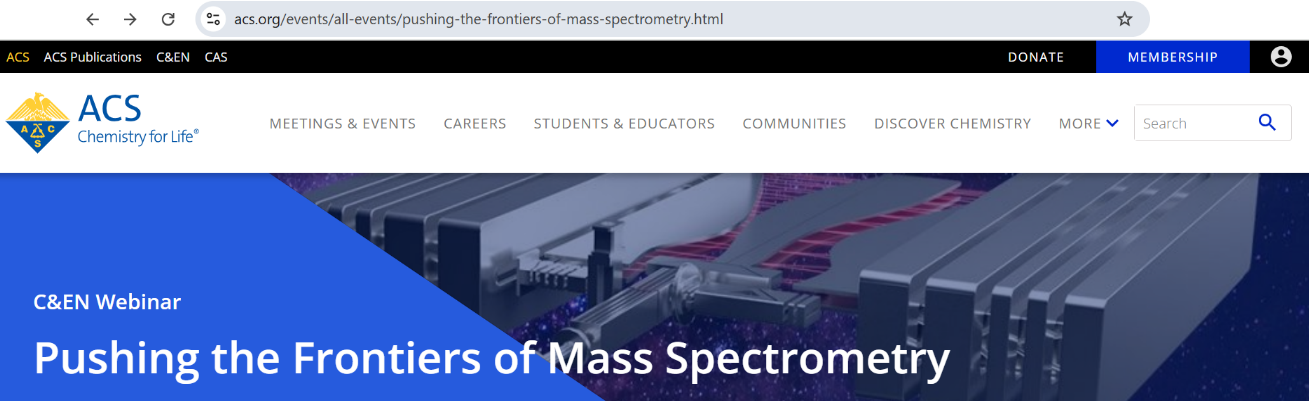
On-line C&EN's webinar: Pushing the Frontiers of Mass Spectrometry

|
To remain competitive against other technologies, mass spectrometry (MS) needs to rise to the challenge of unprecedented throughput with very deep analyses of very complex samples. With analysis time reduced to several minutes by fast liquid separations, confident identification and quantitation over many orders of dynamic range still requires a generational leap in the sequencing performance of MS. The Thermo Scientific™ Astral™ analyzer is a novel class of high-resolution accurate-mass analyzer that compliments the Thermo Scientific™ Orbitrap™ analyzer to provide high speed and sensitivity measurements. This webinar will explore the underlying technology of the Thermo Scientific™ Orbitrap™ Astral™ mass spectrometer and its’ application to biomedical research. Rethink what is possible with a mass spectrometer including the analysis of 300 proteomics samples per day, measuring 5,000 proteins from a true single-cell, and collecting fragmentation data on over 90% of compounds in metabolomics experiments. Trainers: Dr. Alexander Makarov Director, Global Research LSMS, Thermo Fisher Scientific; Dr. Hamish Stewart Staff Scientist, Analytical Instruments Group, Thermo Fisher Scientific
Participants: Dr. Mihaela Silion
|
14.12.2023
Proteomics and its Applications in Cancer: Understanding the Molecular Landscape,
organized by the Biomedicines Journal
14th of December 2023
|
Razvan Puf and Narcis Ciubotariu participated to Proteomics and its Applications in Cancer. The training served as a comprehensive exploration of the advancements and applications of proteomics in cancer research. The event brought together three experts from Europe and America, each presenting their innovative research and methodologies in the context of breast cancer (BC) detection, diagnosis and understanding. Prof. Dr. Margrét Thorsteinsdóttir, a distinguished professor of pharmaceutical analytical chemistry at the University of Iceland, gave a presentation focusing on “Targeted proteomics for the discovery of protein biomarkers in human plasma for early diagnosis of breast cancer”. Her research interests are aimed on lipid metabolism in cancer cells and identification of plasma-derived biomarkers for early detection of BC. In her presentation, Prof. Dr. Thorsteinsdóttir highlighted the successful implementation of a targeted proteomics platform capable of quantifying 131 proteins in human plasma. In particular, 99 proteins were quantified in an Icelandic BC study cohort with remarkable precision and accuracy, showing minimal batch variation. Of particular importance is the evaluation through rigorous validation procedures, both internally, using the measured cohort, and externally, with a new set of samples to improve early detection of BC.
|
25.09.2023
Webinar “Research Directions in Personalized Diagnostics with Medical Imaging and
Artificial Intelligence Technologies”
25.09.2023, Iasi, Romania
|
The webinar took place on September 25, 2023, and was organized by the ImagoMOL cluster, uniting experts from the realms of medical imaging and artificial intelligence (AI). Carmen Mihai, as manager of ImagoMOL cluster, opened the event with a brief overview of the activities carried out within the ImagoMOL cluster and its key role in the field of molecular and structural imaging.
Professor Cipriana Ștefănescu presented a broad overview of the medical data collection process, highlighting the crucial importance of this process in the development of AI algorithms for nuclear imaging. Paul Herghelegiu pointed out the determinant role of the form and quality of input data in the design and development of AI algorithms. Professor Mihaela Breabăn and radiologist Roxana Balcan discussed the elaborated process of medical image processing and annotation for the development of advanced diagnostic paradigms. These presentations highlighted the importance of detail in obtaining relevant data and supporting medical doctors in their diagnostic process. As a final presentation, Bogdan Bercean, PhD student and co-founder of the start-up Rayscape, gave a talk on how to build and validate an AI model in radiology using only available online resources. He also underligned the significant potential of technology and online sources in the development of cutting-edge algorithms for medical image analysis.
This webinar provided an opportunity to disseminate critical milestones in the development of AI algorithms for medical imaging and highlighted the importance of continued research and collaboration in this emerging medical field.
|
08-16.07.2023
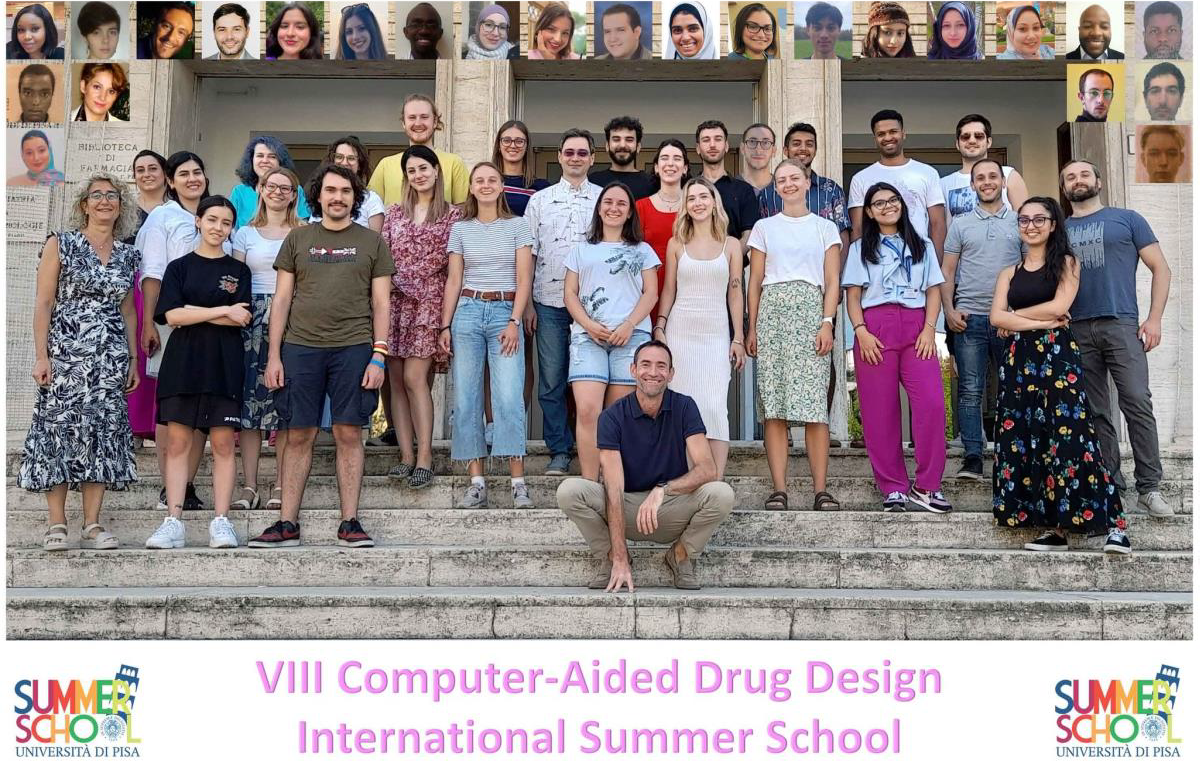
Computer-Aided Drug Design (CADD) Summer School in Pisa
Italy, between 8 -16 July, 2023
|
Dr. Dragos Peptanariu participated at CADD. This course was of an introductory level and during it I learned several things about: Linux (OS Centos), introduction to CADD, Molecular Modeling, Molecular Energies, graphical visualization of ligand-receptor complexe, graphical analysis of the ligand-receptor interaction (Chimera Software), Molecular Mechanics, conformational search, receptor-based drug design. Theoretical notions were combined with practical exercises about: ligand-receptor interaction (Chimera Software), creating a compound database using MolBook UNIPI Software, pharmacophore-based drug design, and the exercises about docking a ligand into a protein (Software Dock 6) and pharmacophore modeling (software Pharmer). Theoretical concepts were also taught and practical exercises were done related to Molecular Dynamics (MD) simulation of a protein-ligand complex (Amber software), virtual screening in drug discovery and Machine Learning for drug discovery.
The program of the summer school was intense and consisted of a combination of theoretical and practical lessons. On the first day, the lessons started with introductory notes about the Linux operating system and continued with an introduction about CADD, molecular modeling energies, graphical visualization of ligand-receptor complexes and the analysis of their interaction with the Chimera software. In the following days Dr. Peptanariu learned about many other things: molecular mechanics, conformational search, receptor-based drug design, how to create a compound database using MolBook UNIPI software, docking a ligand into a protein, pharmacophore-based drug design, molecular dynamics simulation of a protein-ligand complex, virtual screening and machine learning in drug discovery.
Besides the actual participation in these courses, it was a very good opportunity to establish new professional links with the members of the teaching staff as well as with researchers from various places who came to this event.
|
|
28.05 - 04.06.2023
Participation at ESTIV (European Society of Toxicology In Vitro) Applied Training Course
Bratislava, Slovakia, between May 28 and June 4, 2023
|
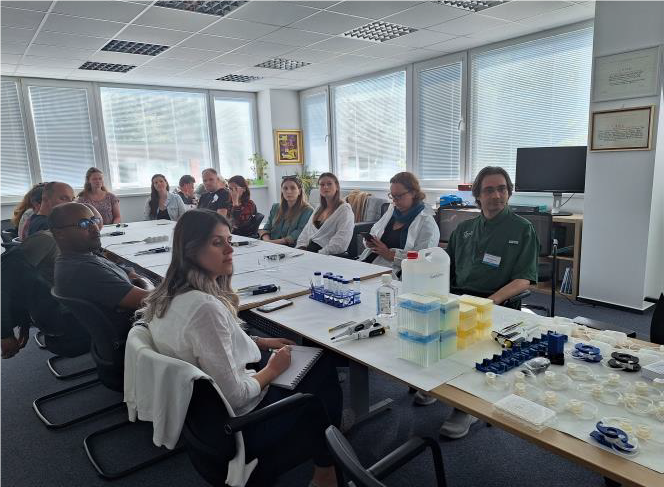
The course was focused on innovative approaches to toxicity assessment using in vitro and in silico procedures and is open to toxicologists, risk assessors and other professionals and combines lectures by leading experts in the field of in vitro toxicology with interactive group exercises. Dr Dragos Peptanariu participate in the training. Lectures cover a wide range of topics related to regulatory, screening and investigative in vitro toxicology, while group exercises consist of real-life case studies in which participants apply the principles of in vitro toxicology to the risk assessment of chemicals. During this course dr Peptanariu learned about alternative testing methods and OECD (Organization for Economic Co-Operation and Development) testing guidelines.
The OECD program on chemical safety is: to help member and partner countries protect humans and the environment, to gain efficiency in chemicals management by developing and harmonizing testing and assessment methodologies, to avoid duplication of resources engaged by governments and industries and to integrate animal welfare and “3 Rs” considerations in developing these methodologies: Refinement alternatives: alleviate or minimize potential pain, suffering and distress; Reduction alternatives: obtain a comparable level of information from the use of fewer animals, or more information from the same number of animals; Replacement alternatives: permit a given purpose to be achieved without using animals.
The course also included practical hands-on sessions conducted by technology developers and was completed by an exam that Dr. Pieptanariu passed and received a certificate based on.
|
|
30,31.01.2023; 06.02.2023
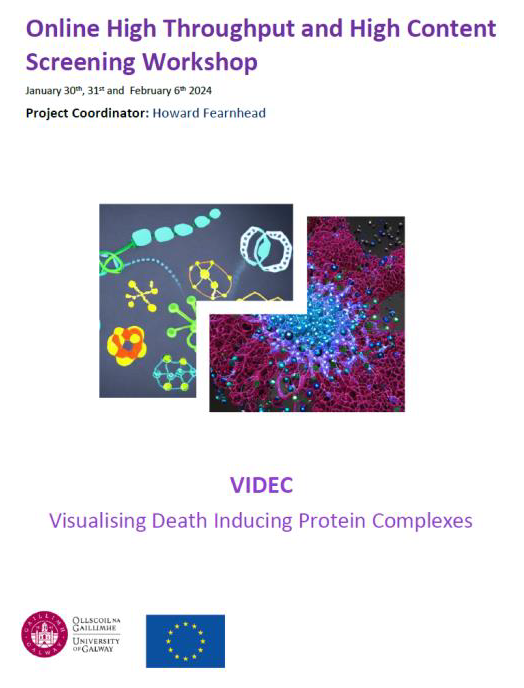
Workshop “Online High Throughput and High Content Screening”
VIDEC Visualising Death Inducing Protein Complex GA 872195- VIDEC- H2020-MSCA-RISE- 201
January 30th, 31st and February 6th 2023
|
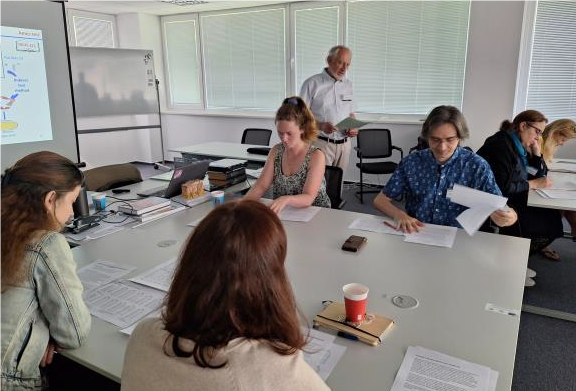
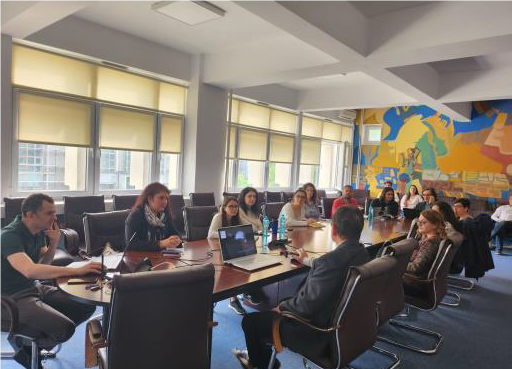
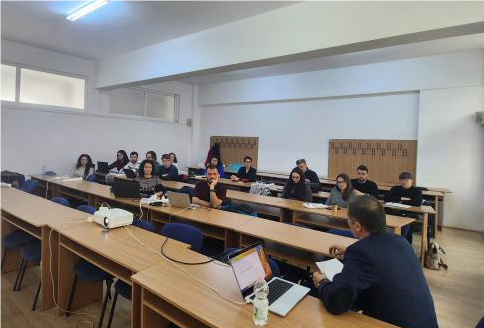
At the recommendation of Prof. Leif Eriksson (member of the International Advisory Board of BioMat4CAST), Dr. Dragos Pieptanariu have participate to the Online High Throughput and High Content Screening Workshop lasted 3 days (January 30, 31 and February 6) and provided an introduction to assay development for high throughput screening (HTS), high content screening (HCS), and lead discovery projects. It encompasses an overview, methods, and practical examples from the pharmaceutical industry, offering insights not commonly found in academic settings or literature. This workshop was led by Dr. Sheraz Gul who is Head of Assay Development and Drug Repurposing at Fraunhofer Institute for Translational Medicine and Pharmacology and is a seasoned pharmaceutical researcher. Refined over many years, this program was valuable for researchers embarking on the development of assays for high throughput screening, high content assays, and drug-discovery projects.
The event gave a comprehensive and practical view of assay development. This includes gaining a better understanding of the high throughput and high content screening/lead discovery process, knowing where to find additional information, and being able to create strong assays for new targets. Furthermore, participants had the chance to present their projects and engage in discussions to receive practical advice for overcoming challenges.
|
|
|
|