| |
Trainings organised in PPIMC
22-26.09.2025
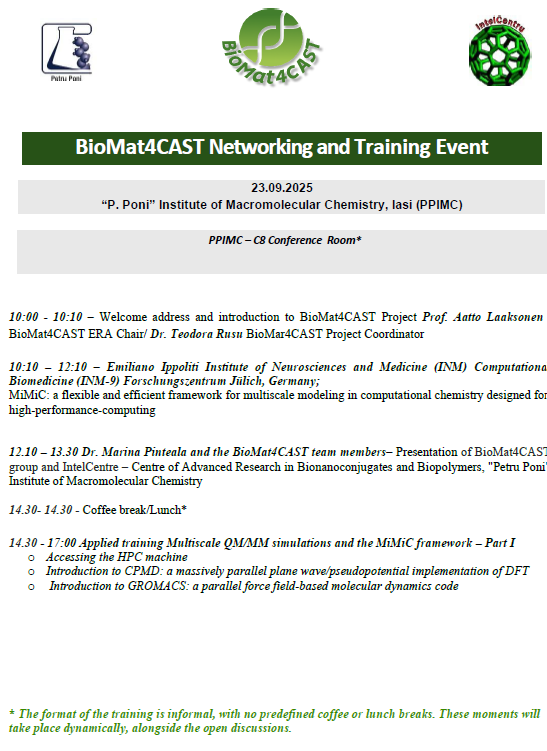
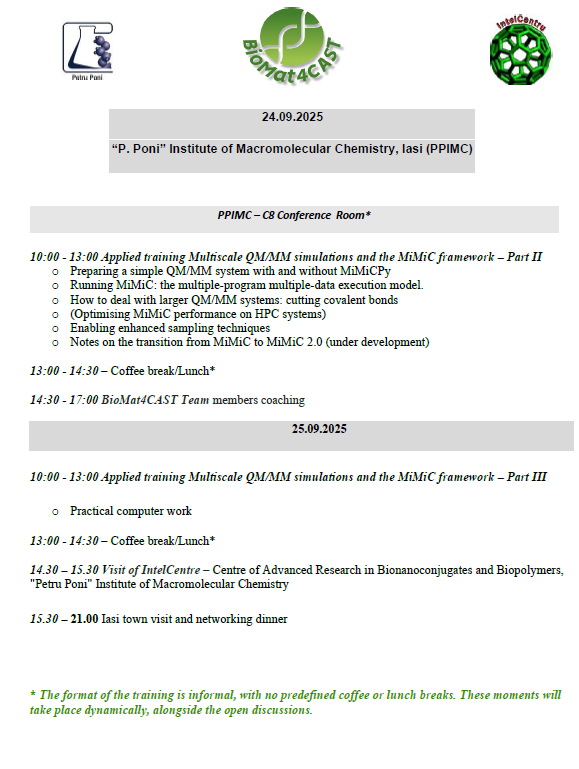
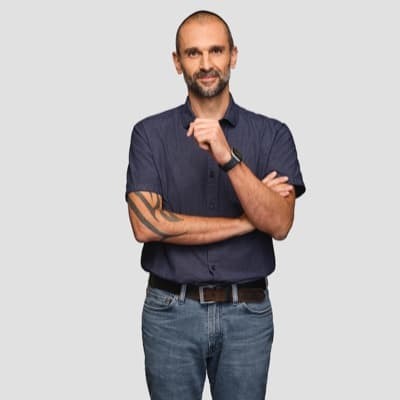
Emiliano Ippoliti Institute of Neurosciences and Medicine (INM) Computational Biomedicine (INM-9) Forschungszentrum Jülich,
Germany – Training on Multiscale QM/MM simulations and the MiMiC framework
|
Emiliano Ippoliti took his master degree in Physics at the University of Pisa in 2001and his PhD in Theoretical Physics at University of Trieste in 2005. From 2006 to 2009he was a postdoc at the International School for Advanced Studied (SISSA/ISAS) inTrieste and then he moved to Germany at the German Research School for SimulationSciences as a research associate in Jülich. Since 2014 he has been a senior scientist atForschungszentrum Jülich. His current main interest concerns the study of highperformance computing approaches and methodologies for systems of biologicalrelevance, in particular classical and ab initio molecular dynamics. He has written morethan 40 scientific articles and he is a scientific referee for PRACE and several journals,including for Journal of Chemical Theory and Computation, Journal of ChemicalInformation and Modeling, Frontiers in Molecular Biosciences, Journal of Physics A andFoundations of Physics.
|
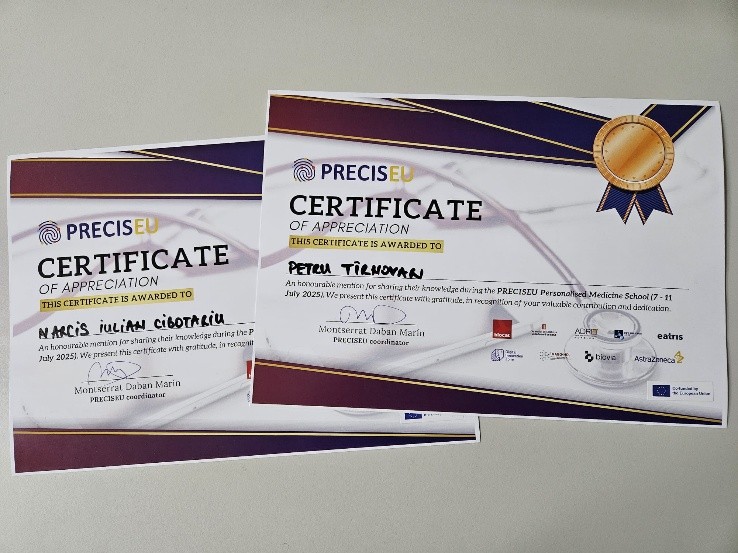
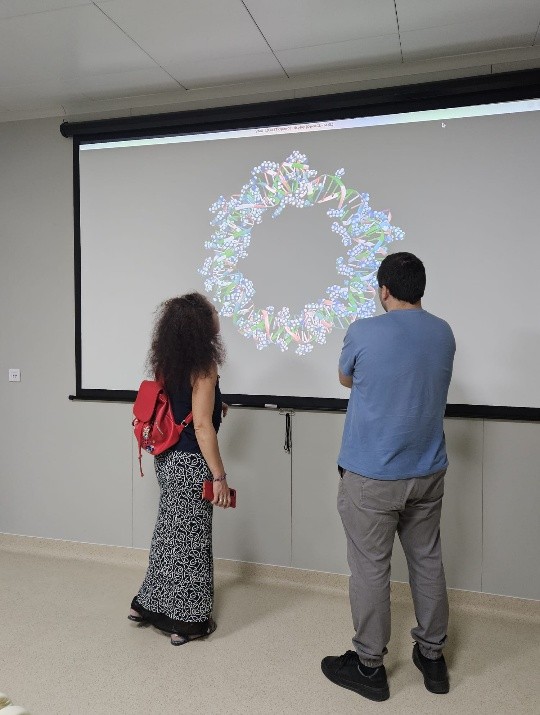
07–11.07.2025
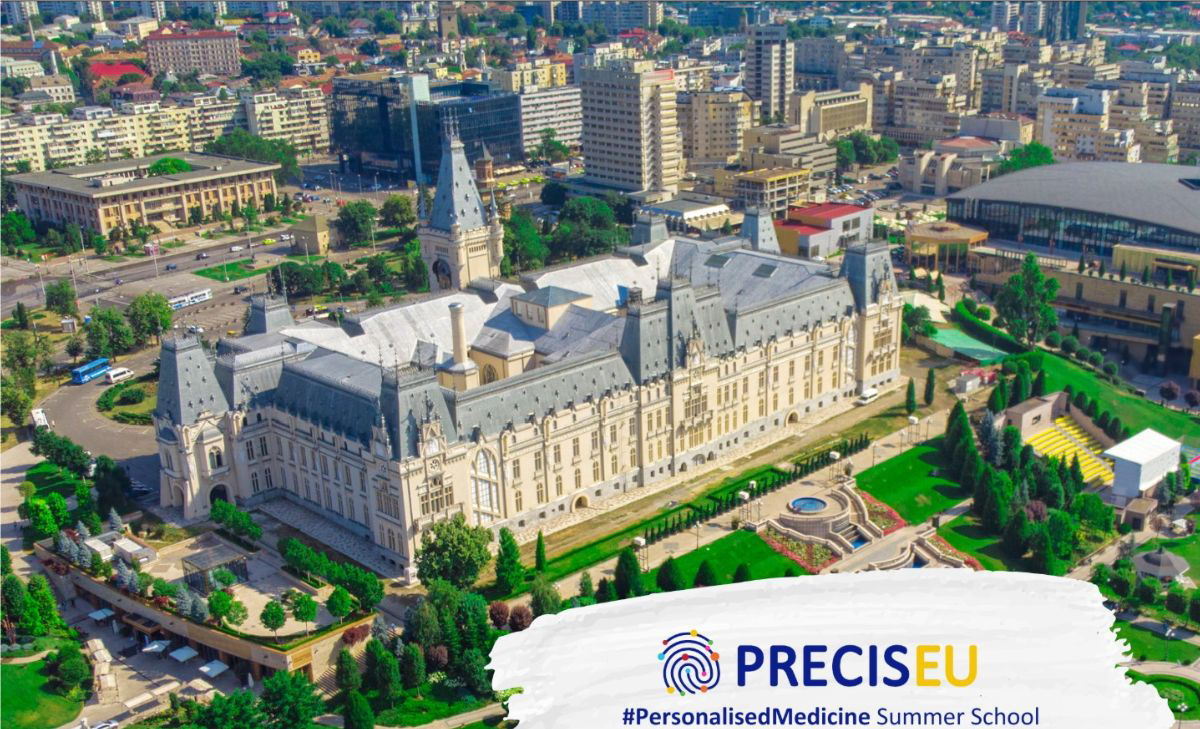
PRECISEU Personalised MedicineSchool: Advancing Healthcare Innovation, Iasi Romania
26-28.06.2025
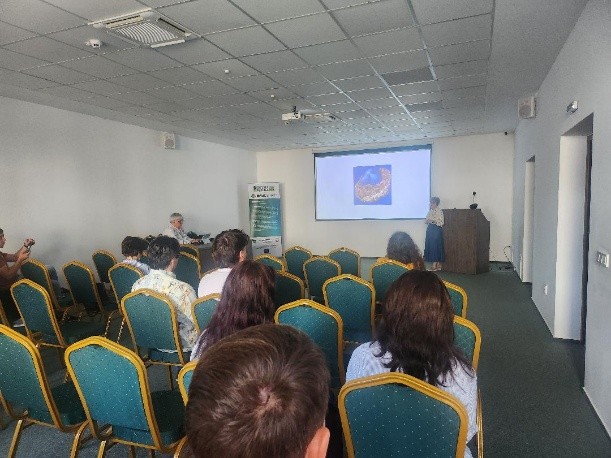
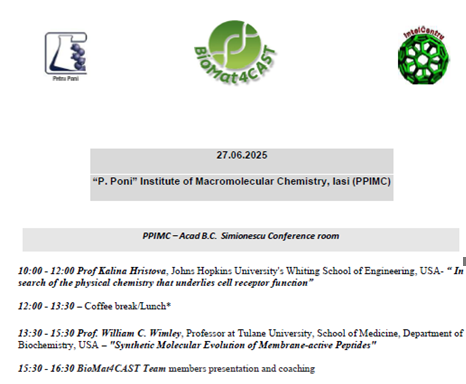
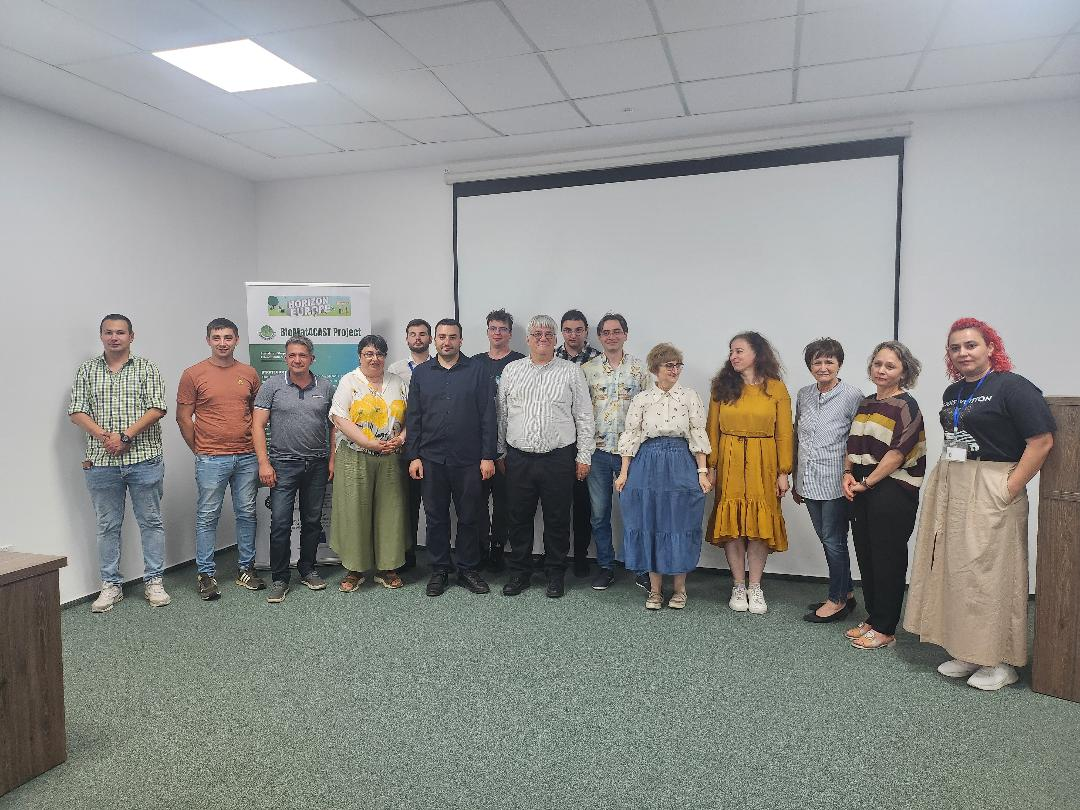
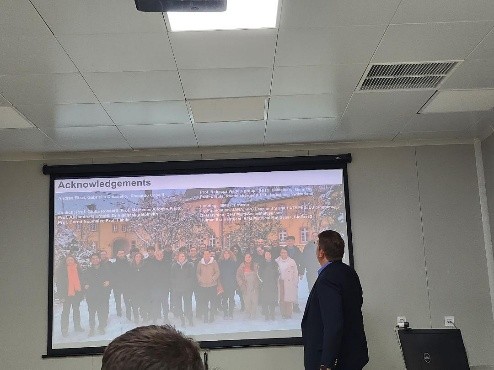
Third BioMat4CAST training: Fundamental principles of the folding and structure of peptides and proteins in membranes
Trainers: Prof. William Wimley (Tulane University, USA) and Prof. Kalina Hristova (Johns Hopkins University, USA)
|
Prof. William Wimley (Tulane University, USA) is a Professor of Biochemistry whose research centers on the structure, folding, and design of membrane proteins. His lab develops peptide-based models and uses combinatorial chemistry and high-throughput screening to design functional peptides, including membrane-spanning pores for antibiotics, drug delivery, and biosensors, as well as peptides targeting cancer-associated receptors such as GPCRs and RTKs. His work also extends to genomic and proteomic analysis for improved identification and structural prediction of membrane proteins. Prof. Wimley received his PhD in Biochemistry from the University of Virginia, completed postdoctoral research at UC Irvine, and joined Tulane University in 1998.
|
|
Prof. Kalina Hristova (Johns Hopkins University, USA) is a professor of Materials Science and Engineering whose research focuses on the structure and function of biological membranes, with an emphasis on receptor tyrosine kinases (RTKs). She has pioneered quantitative methodologies to study RTK activation, advancing the understanding of their role in cancer and cellular signaling. Her work also explores membrane-active peptides for drug delivery, ligand functional selectivity, and protein–protein interactions in membranes. Prof. Hristova is a Fellow of the American Physical Society and the American Institute for Medical and Biological Engineering, recipient of the Biophysical Society’s Dayhoff Award, and serves on the editorial boards of BBA Biomembranes and The Biophysical Journal.
|
|
She earned degrees in physics from the University of Sofia, a PhD in Mechanical Engineering and Materials Science from Duke University, and joined Johns Hopkins in 2001 after postdoctoral research at UC Irvine.
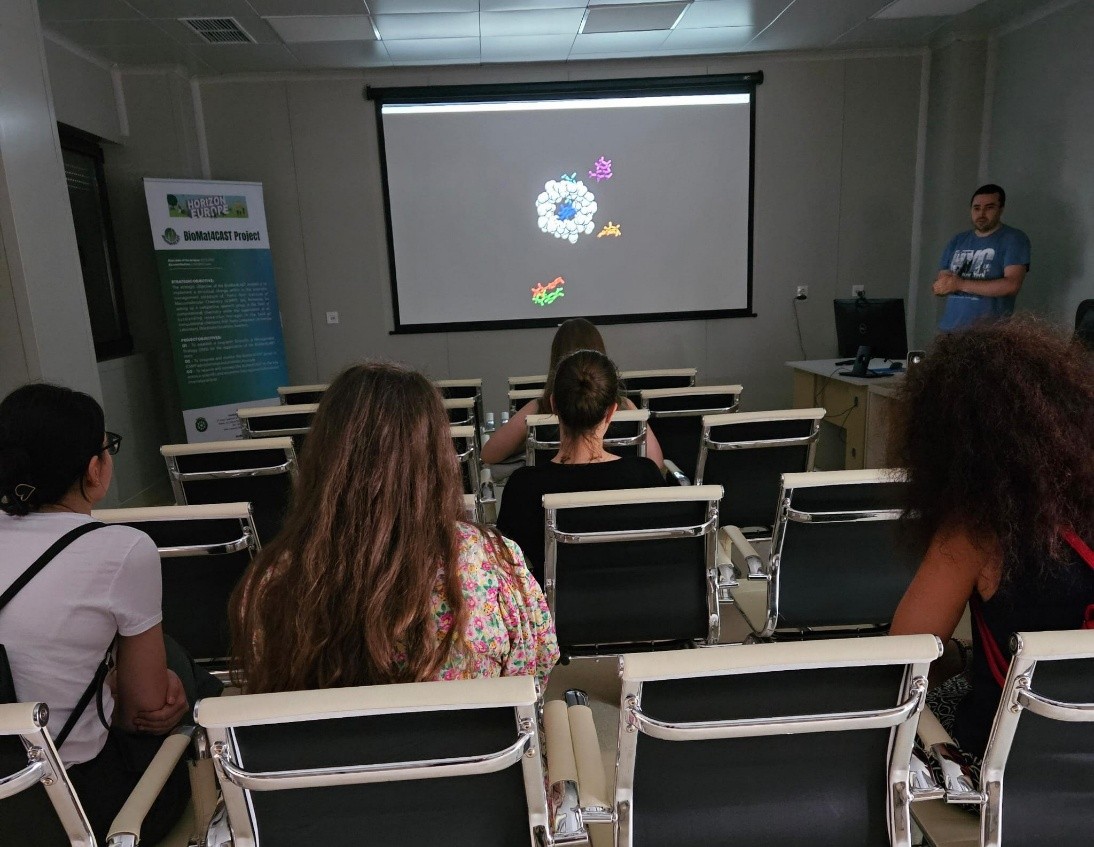
The first day of the training was actualy dedicated mor to networking disscutions and presentation of the institutions involved in the training (see detailed D4.2 Report on BioMat4CAST integration and sustainability related activities -1)
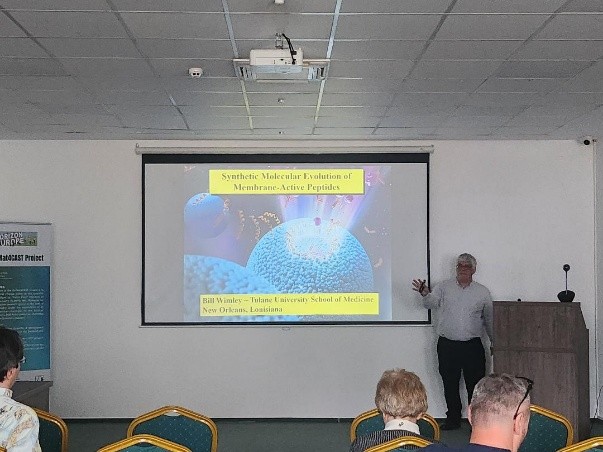
In the second day the following topics have been adressed:
Prof Kalina Hristova - “ In search of the physical chemistry that underlies cell receptor function”
Prof. William C. Wimley – "Synthetic Molecular Evolution of Membrane-active Peptides"
|
06.06.2025
Dr. Leonard Gebac, Faculty of Physics, Bucharest University, Bucharest Romania
|
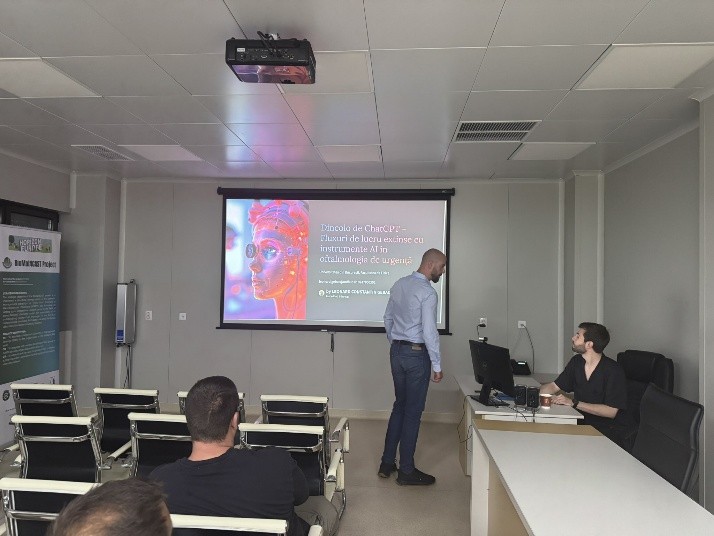
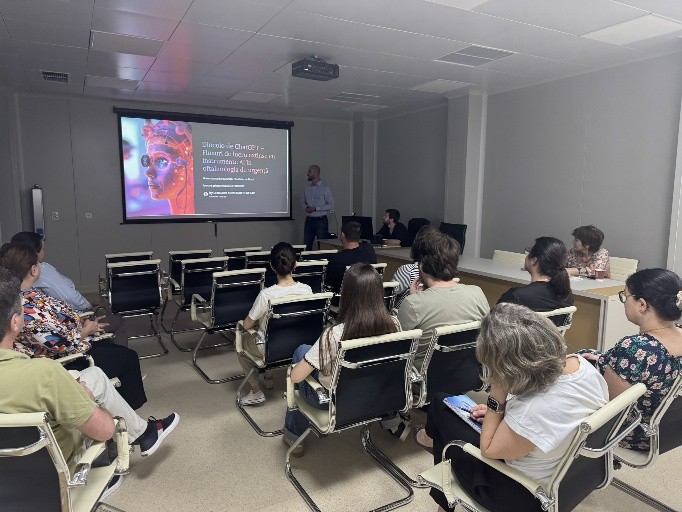
On June 6, 2025, Dr. Leonard Gebac held a training session for the BioMat4CAST team entitled “Beyond ChatGPT – Extended Workflows with AI Tools in Emergency Ophthalmology.” The presentation explored the transformative role of artificial intelligence in advancing diagnostic and decision-support systems within the field of ophthalmology, with a particular focus on urgent and critical-care contexts.
Dr. Gebac discussed how AI-powered workflows, going beyond conventional language models, can integrate multimodal data and computational techniques to support clinicians in real time. The session offered valuable insights not only into the applications of AI in medicine but also into the broader opportunities for cross-disciplinary collaboration between computational sciences and healthcare.
For the BioMat4CAST team, the training was an inspiring example of how emerging digital technologies can reshape research and practice in domains far beyond their original scope, emphasizing the importance of adaptability and innovation in modern science.
|
17.03.2025
Training performed by Prof. Paolo Carloni
Director of Institute for Computational Biomedicine Forschungszentrum Jülich, and Prof. at Achen University Germany
|
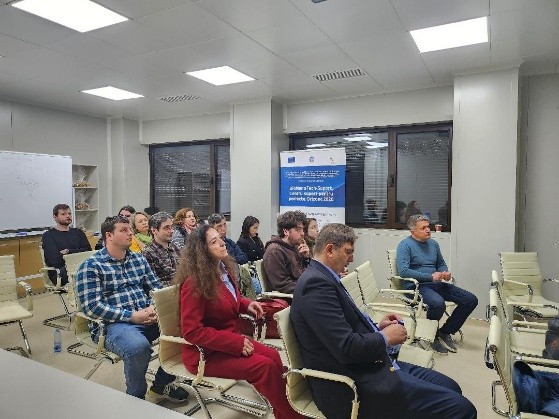
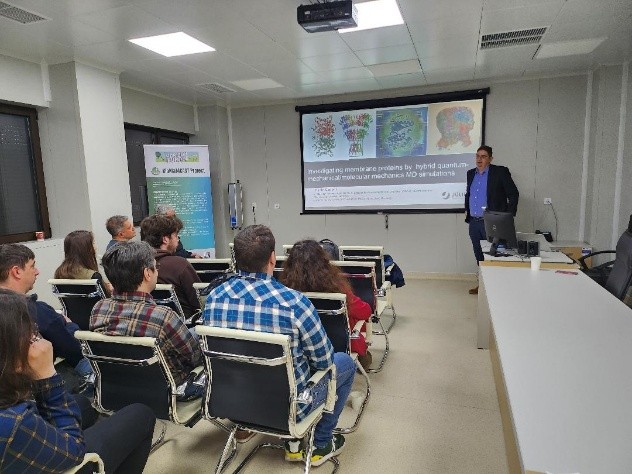
On March 17, 2025, the BioMat4CAST team had the opportunity to attend a training session led by Prof. Paolo Carloni, a leading international expert in computational biomedicine and multiscale simulations. The lecture, entitled “Investigating Membrane Proteins by Massively Parallel Quantum-Mechanical/Molecular Mechanics (QM/MM) Simulations”, provided an in-depth perspective on how advanced computational approaches can be used to unravel the structure, dynamics, and function of complex biomolecular systems.
|
|
Prof. Carloni emphasized the importance of combining quantum-mechanical accuracy with molecular mechanics efficiency, offering a powerful framework for studying membrane proteins at a level of detail not accessible through experimental techniques alone. The presentation also highlighted the role of high-performance computing infrastructures and massively parallel simulations in enabling breakthroughs at the interface of chemistry, physics, and life sciences.
|
|
For the BioMat4CAST team, this training represented a valuable opportunity to gain direct insights into state-of-the-art computational methodologies and their applications in biomedical research. It also reinforced the project’s strategic direction of integrating cutting-edge modelling techniques with experimental efforts, strengthening both the team’s expertise and its connections to the wider European scientific community.
|
22.11.2024
Dr. Teodoro Laino, IBM Research Zurich, Switzerland
|
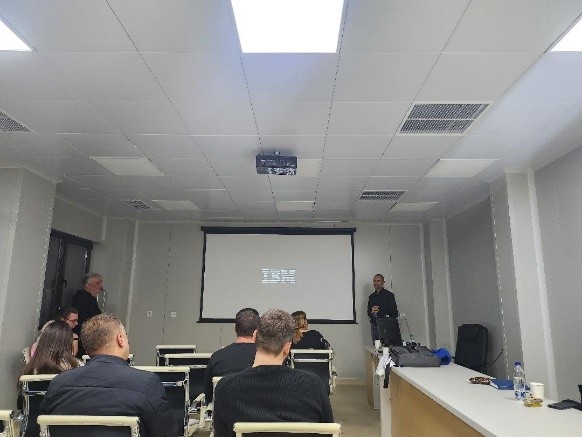
Dr. Teodoro Laino, Research Scientist and Manager at IBM Research – Zurich, conducted a highly engaging training session on “Fueling the Digital Chemistry Revolution with Language and Multimodal Foundation Models.” His lecture showcased the transformative role of artificial intelligence in chemistry and materials science, highlighting IBM’s cutting-edge platform RXN for Chemistry as a successful example of digital innovation in the field.
Dr. Laino earned his degree in chemistry from the University of Pisa and his PhD in computational chemistry in 2006 from the Scuola Normale Superiore di Pisa, with a thesis on “Multi-Grid QM/MM Approaches in ab initio Molecular Dynamics” under the supervision of Prof. Dr. Michele Parrinello.
|
|
Between 2006–2008, he pursued postdoctoral research in the group of Prof. Dr. Jürg Hutter at the University of Zurich, where he contributed significantly to the development of the CP2K simulation package. In 2008, he joined IBM Research – Zurich, where his career has advanced steadily towards leadership in digital chemistry and AI-driven research.
His current work focuses on designing and applying machine learning and multimodal foundation models to accelerate discoveries in chemistry and materials science. The international recognition of this research was marked in 2022, when his team received the Sandmeyer Award of the Swiss Chemical Society for their contributions to digital chemistry. This training provided the BioMat4CAST team with a forward-looking perspective on how AI and computational tools are reshaping modern chemistry, opening new opportunities for research, collaboration, and technology transfer.
|
|
His training focused on one of the most important outcomes of organic chemistry is the creation of newly designed molecules. The application of domain knowledge gained through decades of laboratory experience has been critical in the synthesis of many new molecular structures. Nonetheless, most synthetic success stories are preceded by lengthy periods of unfruitful explorations. While automation systems proved exceptional in specific fields such as high-throughput chemistry, their use in general-purpose workflows remains a highly complex task, requiring the development of always unique software codifying distinct types of chemical operations. The digital revolution in chemistry hopes to streamline the adoption of digital models and automation with the use of data.
|
06-08.11.2024
Training performed by Prof. Dr. Ana Nicoleta Bondar, Bucharest University, Faculty of Physics; Forschungszentrum Jülich,
Institute for Computational Biomedicine, Julich Germany
|
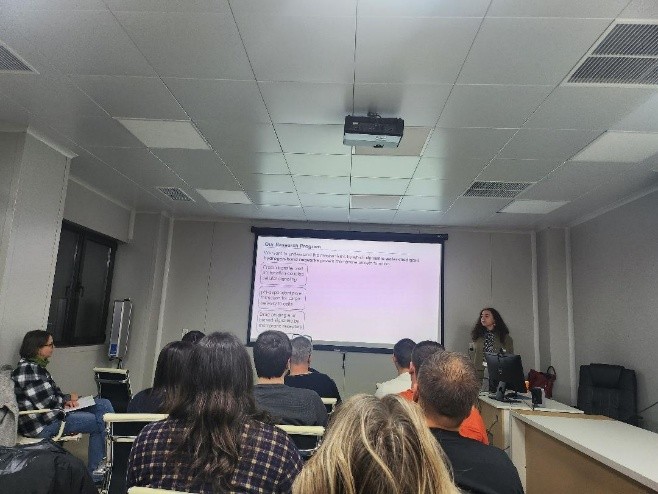
Prof. Bondar’s training was centered on theoretical biophysics methods for unraveling the mechanisms of complex proteins. Her research focuses on several fundamental aspects of membrane protein function, such as the role of protonation dynamics, the coupling between chemical reactions (e.g., proton transfer, ATP hydrolysis) and large-scale conformational changes, as well as the influence of the lipid membrane environment on protein activity.
The lectures and discussions also explored advanced approaches including computer simulations of proteins and lipid membranes, studies of protein–protein and protein–lipid interactions, intramembrane proteolysis, ion pumping, and retinal proteins. Furthermore, Prof. Bondar highlighted the use of QM/MM hybrid methods for studying proton transfer reactions, and offered insights into the mechanism of action of local anesthetics.
|
|
|
This training not only enhanced the BioMat4CAST team’s expertise in computational biomedicine but also provided a deeper understanding of the fundamental principles that connect molecular structure to biological function.
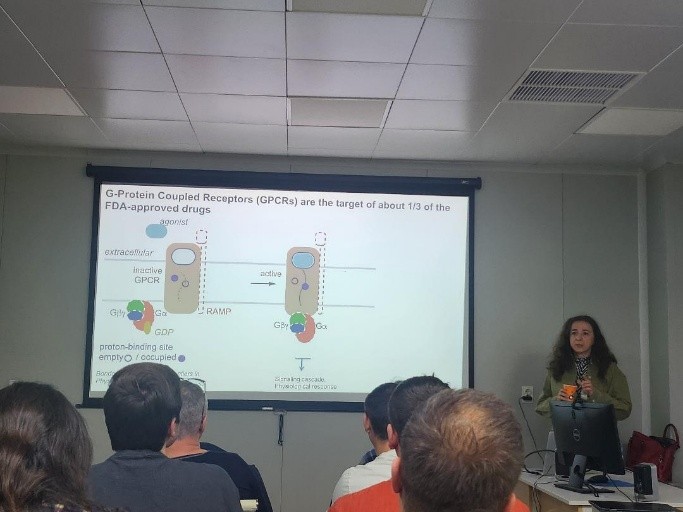
Dr. Bondar visit the BioMat4CAST group and performed a training on:
Dynamic hydrogen bond networks for transport and signalling across biological membranes
|
|
22 - 25.10.2024
Training - Prof Emeritus Marc J Abadie Professor at II University, France
|
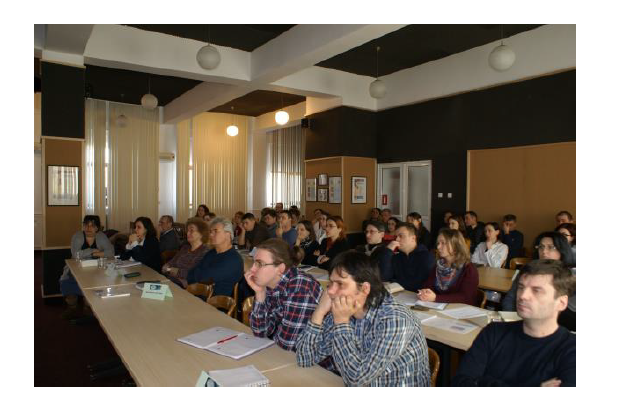
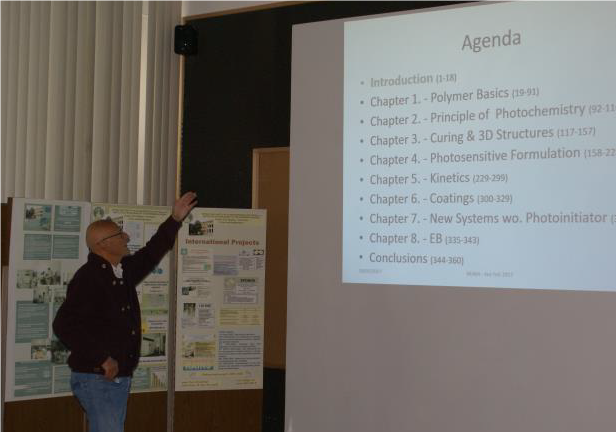
Prof. Emeritus Marc J. Abadie, Professor at II University Montpellier, France, and former SupraChemLab ERA Chair at ICMPP, delivered an intensive two-day training session for the BioMat4CAST Team. His lectures focused on photochemical processes applied to polymers, with a particular emphasis on the DPC (Diphenylcarbonate) technique, offering participants a comprehensive understanding of both the theoretical foundations and practical applications of this innovative approach.
|
|
- PHOTOCHEMICAL PROCESS Applied to Polymers - DPC Technic
The training gathered not only the BioMat4CAST researchers, but also staff from the ICMPP Intel Centre and colleagues from partner institutions in Iași, including “Al. I. Cuza” University, “Gr. T. Popa” University of Medicine and Pharmacy, and “Gh. Asachi” Technical University. This broad participation fostered an engaging environment for knowledge transfer and interdisciplinary dialogue.
To further extend the impact of his visit, on 25 October 2024, Prof. Abadie also led a Conference Series in the ICMPP Conference Room, which was open to the wider scientific community. The program included specialized presentations and discussions that attracted not only ICMPP researchers but also participants from outside the institute, strengthening the visibility of BioMat4CAST and consolidating scientific collaborations at both the local and international levels:
- Prof. Marc Abadie:
”DoScience, Ecology and Economics work well together?"
- Vlad Ghizdovat, Maricel Agop:
“Holographic-type behaviors in complex structures dynamics.”
|
24-26.09.2024
Second BioMat4CAST Training, Iasi
|
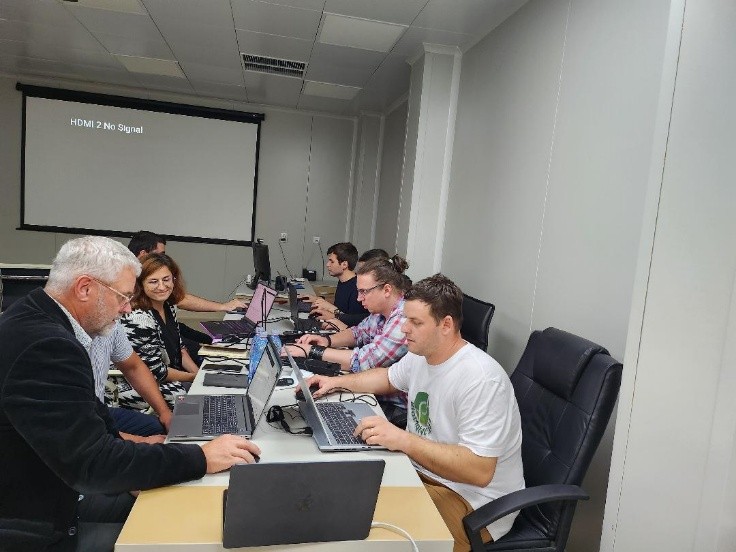
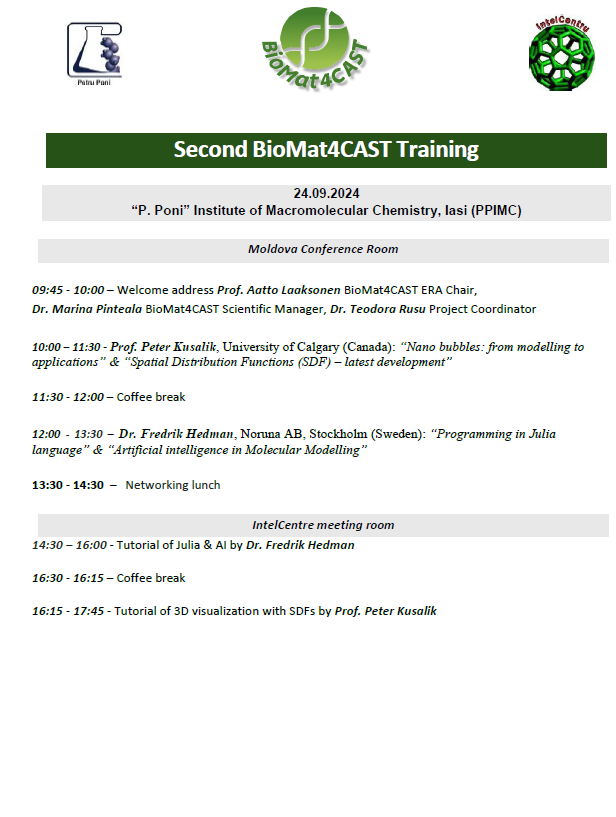
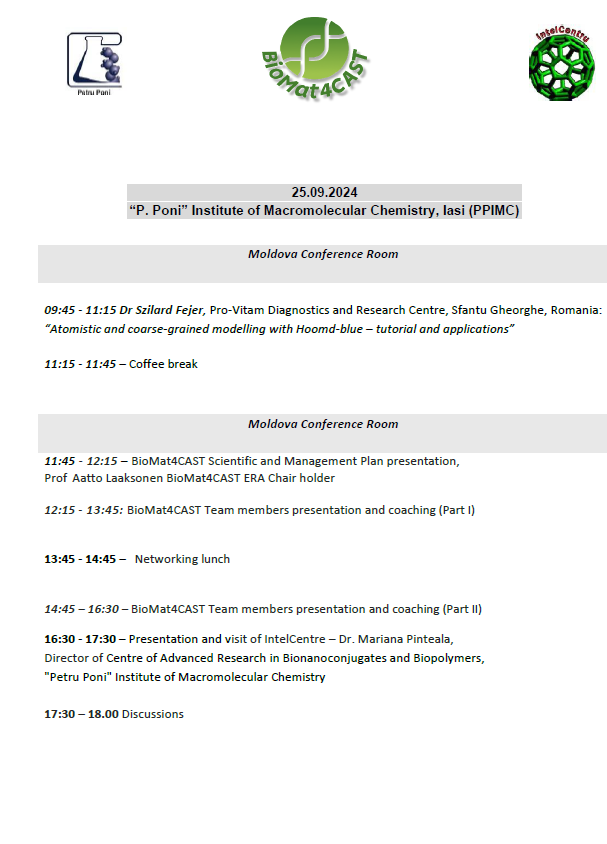
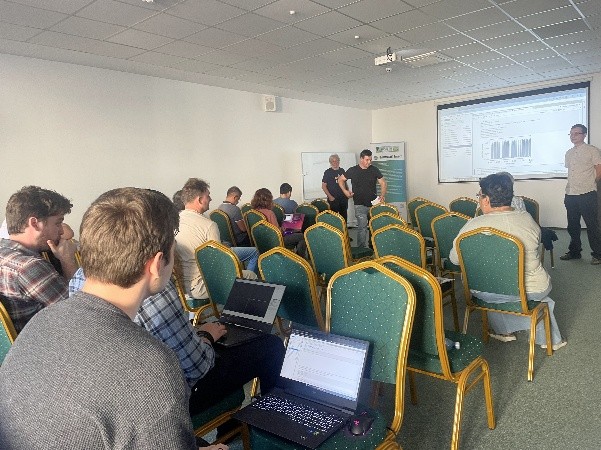
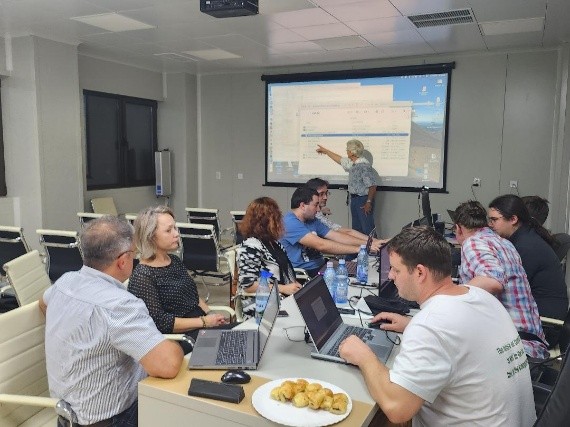
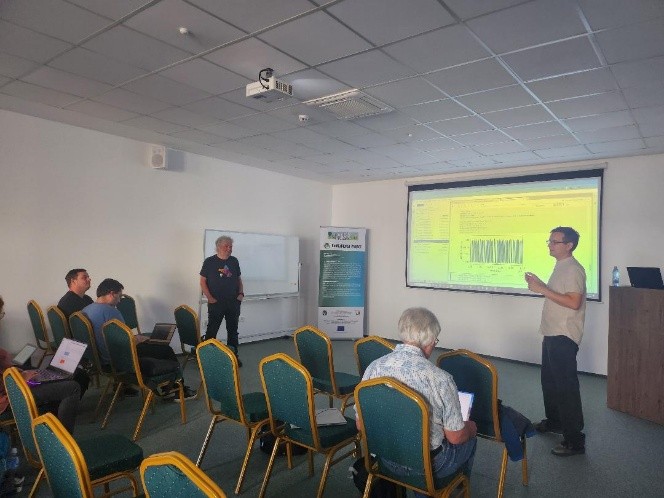
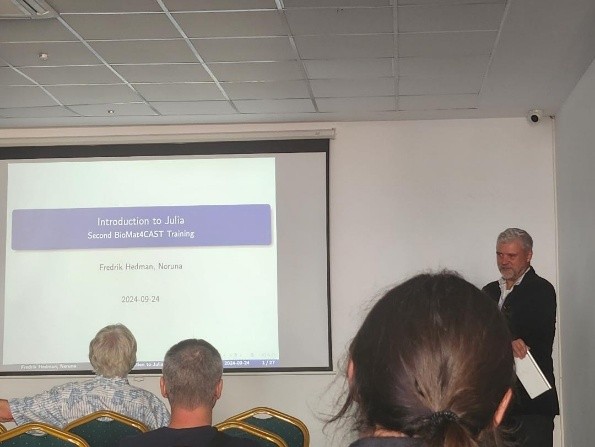
The second BioMat4CAST training session held in ICMPP brought together an impressive panel of international experts, offering participants the opportunity to explore both fundamental and emerging directions in computational modelling and its applications. Prof. Peter Kusalik (University of Calgary, Canada) introduced innovative perspectives on nanobubbles and their applications, as well as the latest developments in Spatial Distribution Functions (SDF). Dr. Fredrik Hedman (Noruna AB, Stockholm, Sweden) provided hands-on insights into programming with Julia language and the integration of artificial intelligence in molecular modelling, while Dr. Szilard Fejer (Pro-Vitam Diagnostics and Research Centre, Sfântu Gheorghe, Romania) guided participants through atomistic and coarse-grained modelling using HOOMD-blue, with tutorials and practical applications. Together, these lectures offered a rich blend of theory, computational tools, and real-world applications, significantly expanding the knowledge base of the BioMat4CAST team. The detailed program is presented below.
Theoretical Training:
o Prof. Peter Kusalik, University of Calgary (Canada): “Nano bubbles: from modelling to applications” & “Spatial Distribution Functions (SDF) – latest development”
o Dr. Fredrik Hedman, Noruna AB, Stockholm (Sweden): “Programming in Julia language” & “Artificial intelligence in Molecular Modelling”
o Dr Szilard Fejer, Pro-Vitam Diagnostics and Research Centre, Sfantu Gheorghe, Romania: “Atomistic and coarse-grained modelling with Hoomd-blue – tutorial and applications”
Practical tutorials:
o Tutorial of Julia & AI by Dr. Fredrik Hedman
o Tutorial of 3D visualization with SDFs by Prof. Peter Kusalik
|
|
|
|
24.04.2024
First BioMat4CAST Training
|
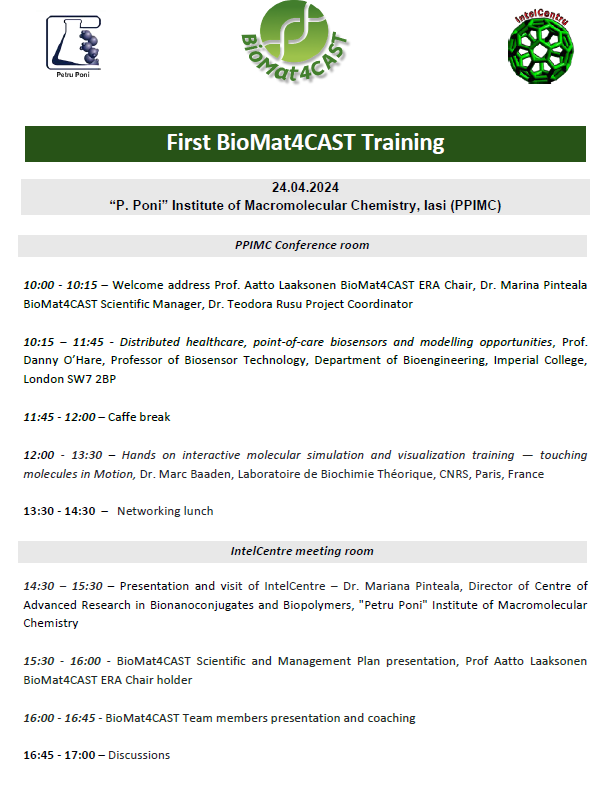
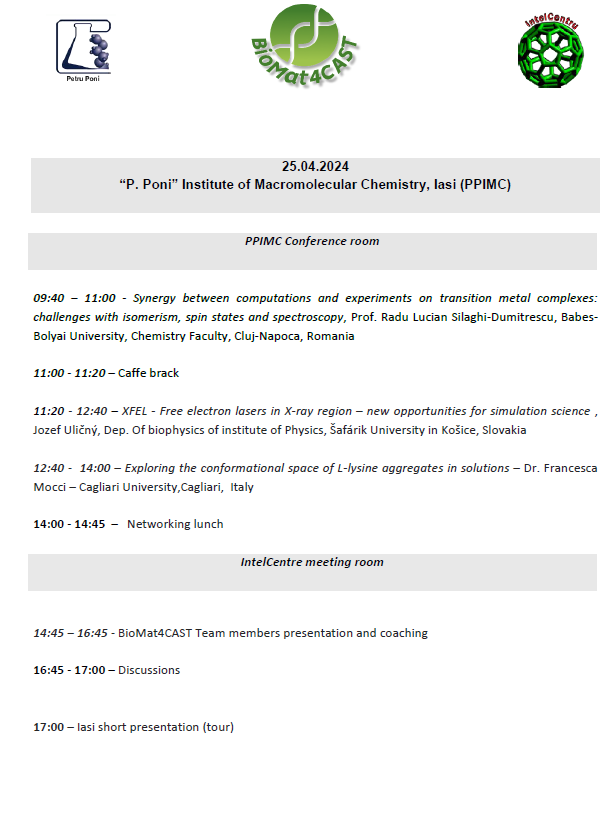
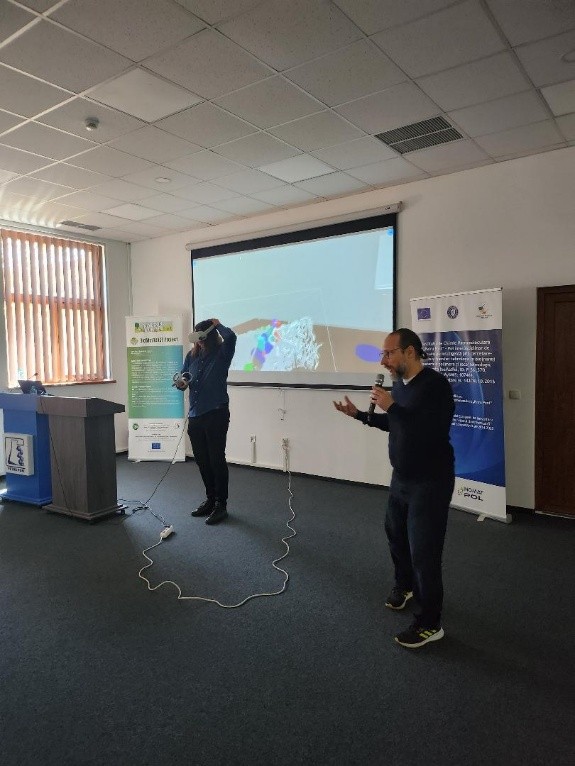
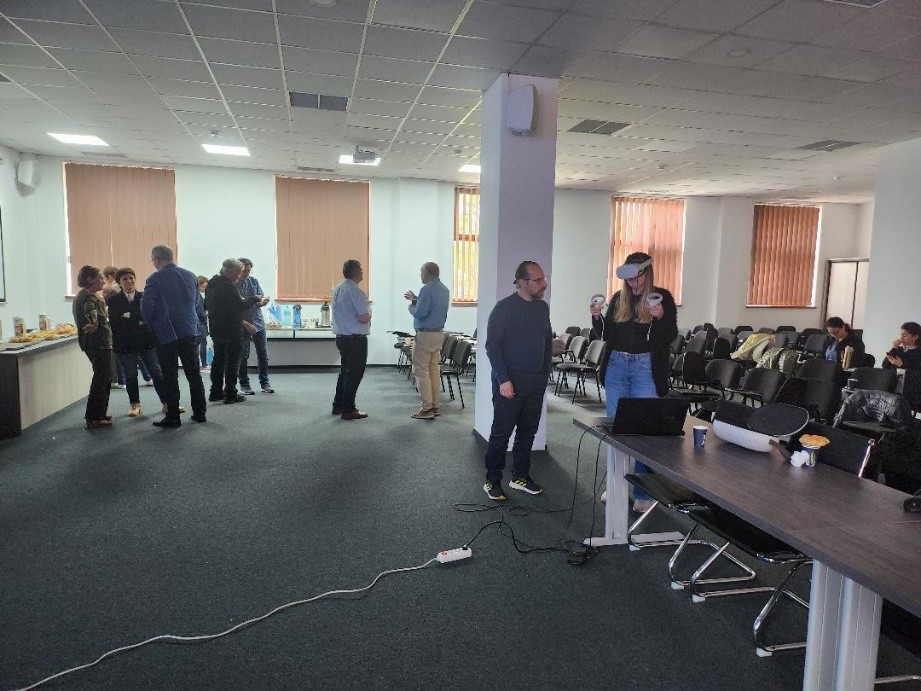
The First BioMat4CAST Training, held on April 24, 2024, brought together renowned international experts to deliver lectures and interactive sessions on advanced topics in computational chemistry, molecular simulations, spectroscopy, and biosensor technologies. The event provided participants with both theoretical insights and hands-on experience, fostering interdisciplinary exchange and highlighting cutting-edge approaches at the interface of chemistry, physics, and biomedical applications.
The main topics were:
- Distributed healthcare, point-of-care biosensors and modelling opportunities, Prof. Danny O’Hare, Professor of Biosensor Technology, Department of Bioengineering, Imperial College, London
- Hands on interactive molecular simulation and visualization training — touching molecules in Motion, Dr. Marc Baaden, Laboratoire de Biochimie Théorique, CNRS, Paris, France
- Synergy between computations and experiments on transition metal complexes: challenges with isomerism, spin states and spectroscopy, Prof. Radu Lucian Silaghi-Dumitrescu, Babes-Bolyai University, Chemistry Faculty, Cluj-Napoca, Romania
- XFEL - Free electron lasers in X-ray region – new opportunities for simulation science , Dr. Jozef Uličný, Dep. Of biophysics of institute of Physics, Šafárik University in Košice, Slovakia
- Exploring the conformational space of L-lysine aggregates in solutions – Dr. Francesca Mocci – Cagliari University, Cagliari, Italy
|
|
|
15.04.2024
Dr. Isabela Costinela Man “Exploring the activity of zigzag graphene nanoribbon edges and graphene quantum dots for the electrochemical oxygen reduction reaction using DFT.”
|
Dr. Isabela Costinela Man delivered a specialized training on “Exploring the activity of zigzag graphene nanoribbon edges and graphene quantum dots for the electrochemical oxygen reduction reaction using DFT.” The session introduced advanced concepts of Density Functional Theory (DFT) applied to carbon-based nanomaterials and their role in the oxygen reduction reaction (ORR) relevant to clean energy technologies. Participants gained insights into the catalytic potential of zigzag graphene nanoribbons and graphene quantum dots, enhancing the BioMat4CAST team’s expertise in computational modeling for sustainable applications.
|
19.04.2024 - 18.03.2025
Continuation of the training seria: ADVANCED COURSE IN MODERN MOLECULAR MODELLING;
Aatto Laaksonen, Stockholm University & BioMat4CAST ERA Chair, Petru Poni Institute, Iasi, Romania
|
MODULE III: PARTICLE-BASED METHODS OF MOLECULAR MODELLING
> Classical Molecular Dynamics simulations (Tuesday, February 11, 11am, 2025)
Topics: The elements of MD, why does it work? Analysis of MD trajectories: structural, thermodynamic, dynamical and spectroscopic information, rare events.
> Technical aspects of Molecular Dynamics (Friday, February 14, 11am, 2025)
Topics: Neighbor lists, look-up tables, Building a simulation cell, periodicity, minimum image convention, box size, cut-off, net moments.
> Practical aspects of Molecular Dynamics (Tuesday, March 11, 1 pm, 2025)
Topics: Ensembles in MD, thermostats, barostats, analysis of trajectories, enhanced MD, visualisation of MD simulations, improved sampling, equilibrium & non-equilibrium MD, limitations of MD.
> Ab initio Molecular Dynamics simulations (Tuesday. March 18, 1 pm, 2025)
Topics: Car-Parrinello method and Born-Oppenheimer MD, Path-integral MD, QM/MM simulations. Time-dependent density functionals theory MD, non-adiabatic MD simulations.
MODULE II: PHYSICAL CHEMISTRY OF MOLECULAR MODELLING
> Basics of Quantum Mechanics (Wednesday, April 19th, 11am, 2024)
Topics: Nothing is sure in QM - only probable, breakdown of classical physics: electromagnetic radiation, quantized energies, spectra, particle-wave duality, electron diffraction, postulates of QM, particle in a box, tunneling
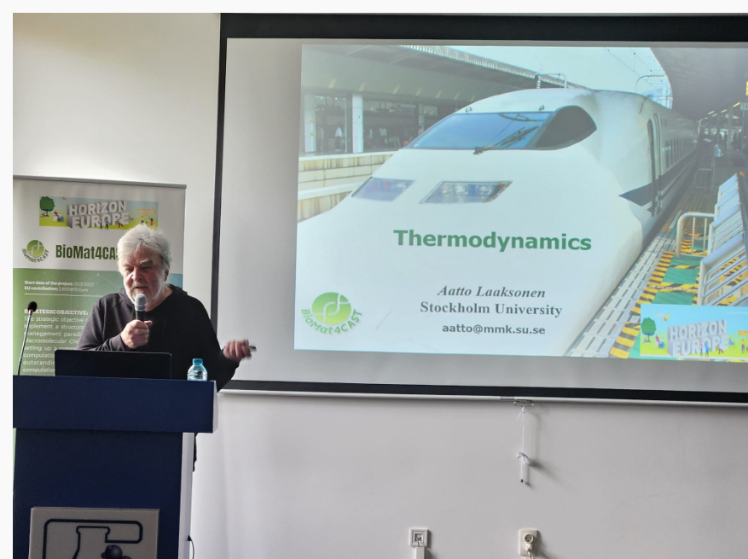
> Theoretical aspects of matter and processes in it: Thermodynamics (Wednesday, May 8th, 11am, 2024)
Topics: Laws of Thermodynamics, forms of energy and conversion between, systems, states & processes, internal energy, work, enthalpy, heat capacity, spontaneous processes, entropy, free energy
> From micro to MACRO: Statistical Thermodynamics (Wednesday, May 15th, 11am, 2024)
Topics: Molecular vs molar, statistical method, probability, distributions, fluctuations, ensembles, energy levels, state functions, free energy, ideal & non-ideal gas, Van der Waals equation, virial theorem, phase space
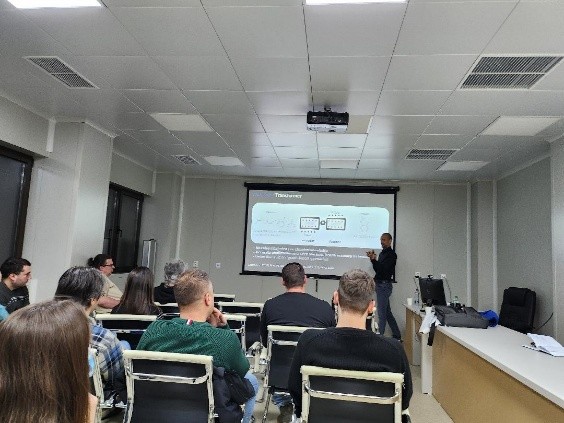
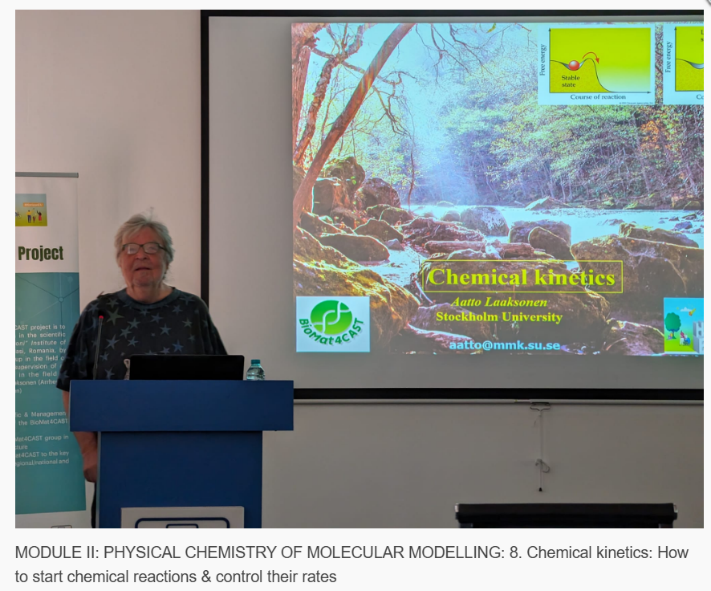
> Chemical kinetics: How to start chemical reactions & control their rates (Wednesday, May 22th, 11am, 2024)
Topics: Kinetics & thermodynamics, types of chemical rxns, endo/exothermic rxns, transition state, activation energy, Arrhenius law, catalysis, inhibitors
> Spectroscopy – interaction between matter and radiation (Wednesday, May 29th, 11am, 2024)
Topics: Absorption & emission, molecular degrees of freedom and energy levels (electronic, vibrational, rotational, translational), electromagnetic radiation and transitions, spectral lines (intensity, broadening, shift, splitting), optical spectra, fluorescence, scattering, resonance spectra (ESR, NMR), NMR relaxation.
|
03.10.2023
Training performed by Prof. Marc J.M. Abadie,
University of Montpellier, France
(Venue: Conference room of Petru Poni Institute - Main building)
|
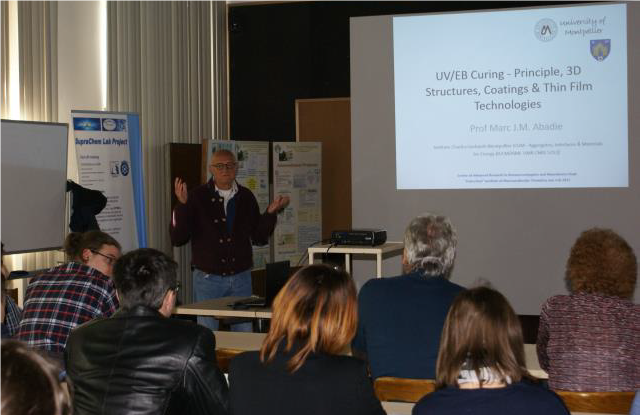
Prof. Marc JM Abadie, the former SuparaChem Lab ERA Chair3 was invited to give advance training on UV/EB Curing-Principle, 3D Structures, Coatings and Thin Film Technologies between 07.10.2023.
The training was in the Conference Room of ICMPP and with extend participation. In the afternoon individual discussions with the members of the BioMat4CAST group as well as with Prof A. Laaksonen the ERA Chair of the new group were organised in IntelCentre meeting room. Participants of the old ERA Chair project (SupraChem Lab) were also invited and the meeting was a very good opportunity to exchange experience between the two ERA Chairs.
|
|
06.09.2023
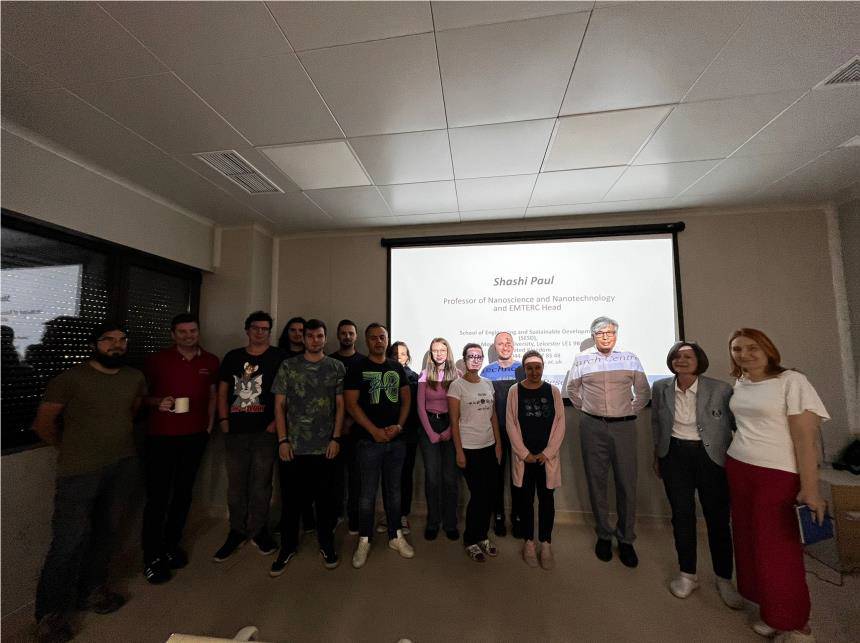
Training performed by Prof. Dr. Shashi Paul
Professor of Nanoscience and Nanotechnology and working for Emerging Technologies Research Centre, Faculty
Computing, Engineering and Media; De Montfort University, Leicester, United Kingdom,
|
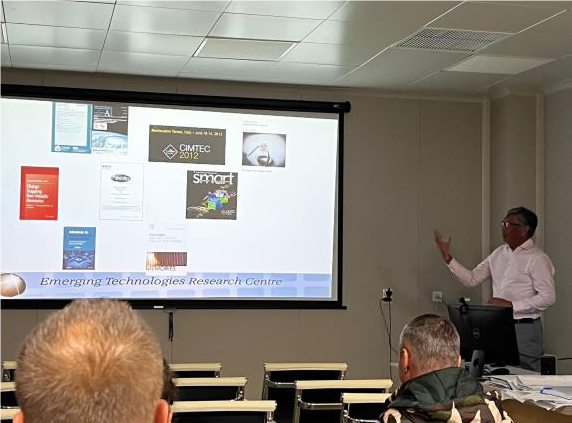
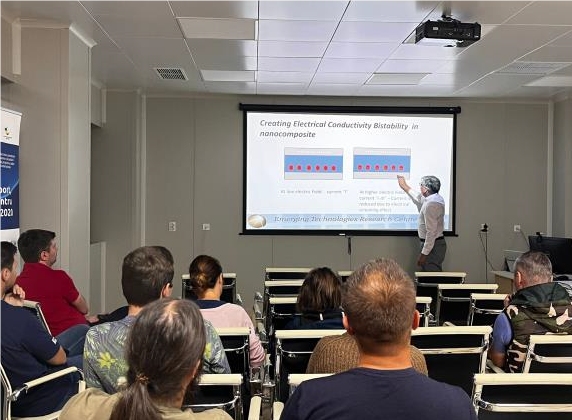
The training focused on organic memory devices that are a rapidly evolving field with much improvement in device performance, fabrication, and application. But the reports have been disparate in terms of the material behavior and these witching mechanisms in the devices. And, despite the advantages, the lack of agreement in regards to the switching behavior of the memory devices is the biggest challenge that the field must overcome to mature as a commercial competitor. This lack of consensus has been the motivation of this work wherein various works are compiled together to understand the factors in the memory devices. Different works are compared together to discover some clues about the nature of the switching occurring in the devices, along with some missing links that would require further investigation. The charge storage mechanism is critically analyzed alongside the various resistive switching mechanisms such as fi elementary conduction, redox-based switching, metal oxide switching, and other proposed mechanisms.
|
|
26.07.2023
Training performed by Dr. Conchi O. Ania Directeur de Recherche (DR) CNRS,
CEMHTI Site Haute Température, CNRS (UPR 3079), Orléans, France
Petru Poni Institute, Iasi, Romania
|
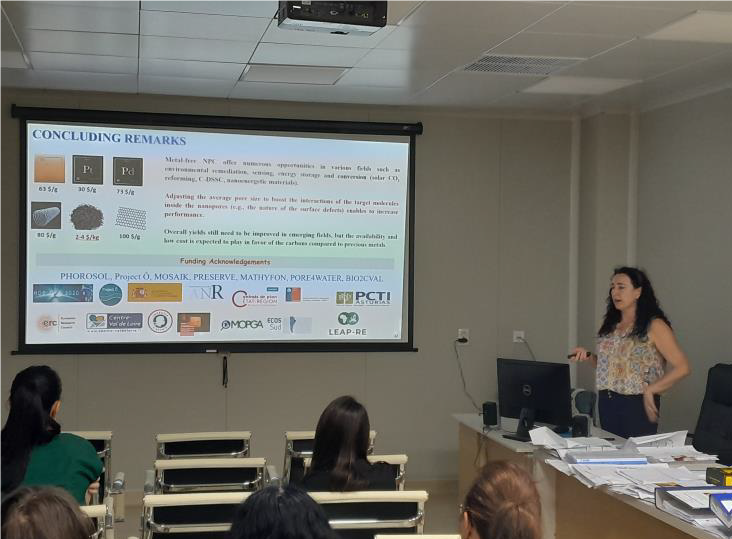
Dr. Conchi O performed a training in the field of functional porous adsorbents: design, characterization and surface modification of selective and efficient adsorbents for energy storage and environmental applications.
The training focused on functional porous adsorbents design; advanced oxidation processes (photocatalysis, electrochemistry) for the removal of persistent organic pollutants. Regeneration of exhausted adsorbents. Valorization of residues; etc.
The training was a very good opportunity for the BioMat4CAST team to learn about application of computations in highly innovative applications. As a result of the visit a collaboration project was set up with Dr. Conchi O. Ania
|
|
|
|